Abstract Art Styles Checklist: 10 Essential Styles Every Collector Should Know
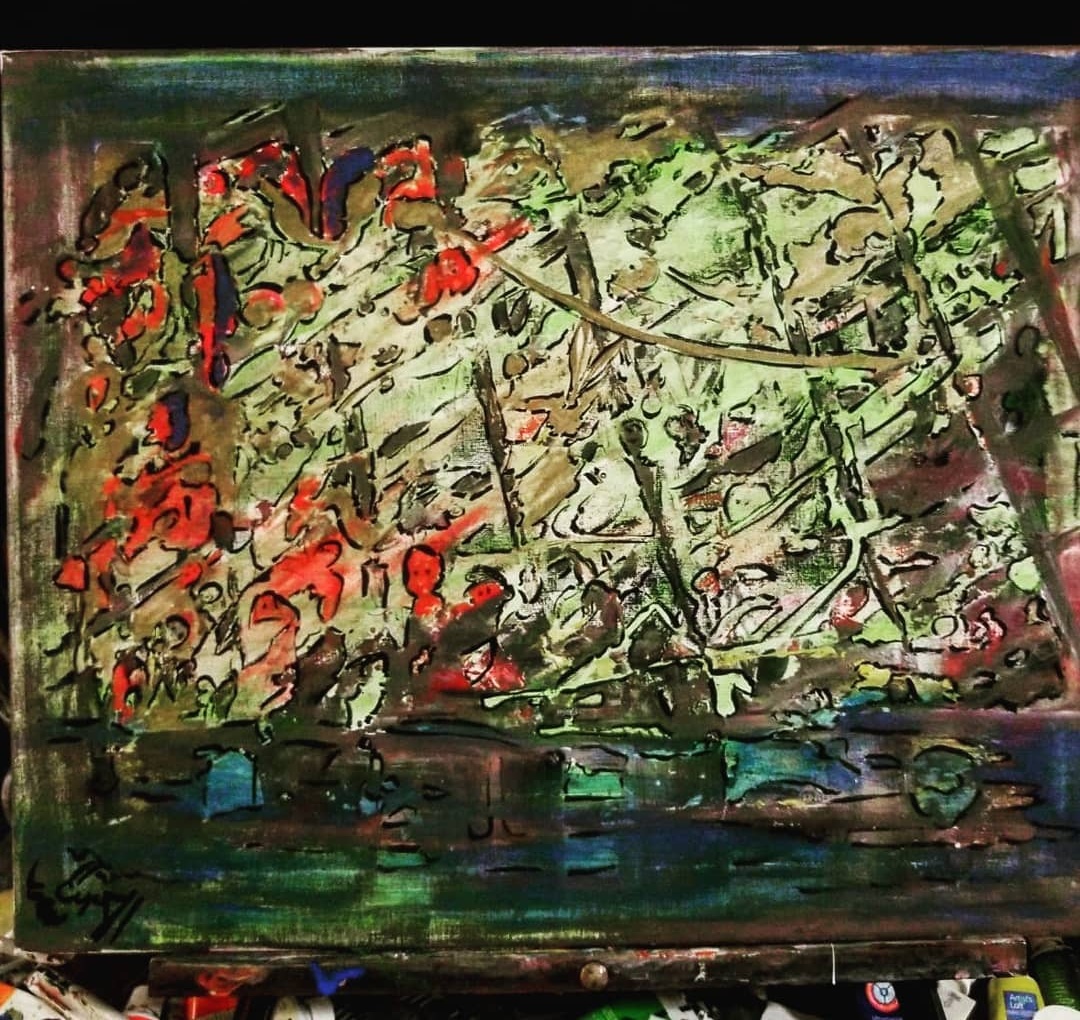
Understanding abstract art can feel overwhelming when you first encounter the vast landscape of styles, movements, and techniques that have evolved over the past century. Whether you are a seasoned collector, an aspiring artist, or simply someone who appreciates the emotional power of non-representational art, knowing the fundamental abstract art styles transforms how you experience and evaluate artwork. This comprehensive checklist breaks down the ten essential styles you need to recognize, understand, and appreciate when building your collection or deepening your artistic knowledge.
Abstract art emerged in the early 20th century as artists sought to break free from representational constraints and explore pure visual expression. Today, major institutions like the Museum of Modern Art recognize abstract art as one of the most significant artistic developments in human history. Each style on this checklist represents a unique approach to colour, form, texture, and emotional communication that continues to influence contemporary artists worldwide.
Table of Contents
- Key Takeaways
- 1. Geometric Abstraction
- 2. Abstract Expressionism
- 3. Color Field Painting
- 4. Lyrical Abstraction
- 5. Action Painting
- 6. Minimalism
- 7. Neo-Expressionism
- 8. Hard-Edge Painting
- 9. Tachisme
- 10. Contemporary Abstract
- How to Use This Checklist
- Discover Abstract Art at Jamal Abstracts
- Frequently Asked Questions
- Recommended
Key Takeaways
| Insight | Details |
|---|---|
| Ten Essential Styles | From Geometric Abstraction to Contemporary Abstract, each style offers unique visual characteristics and emotional resonance that collectors should recognize. |
| Historical Context Matters | Understanding when and why each style emerged helps collectors appreciate the artistic innovation and cultural significance of abstract works. |
| Emotional vs. Intellectual Appeal | Some styles like Action Painting prioritize raw emotion, while Geometric Abstraction appeals to intellectual order and mathematical harmony. |
| Collecting Strategy | Use this checklist to identify which styles resonate with your personal aesthetic and build a coherent, meaningful collection over time. |
| Contemporary Evolution | Modern abstract artists often blend multiple historical styles, creating hybrid works that honour tradition while pushing boundaries. |
1. Geometric Abstraction
Definition and Characteristics
Geometric Abstraction uses precise geometric shapes, clean lines, and mathematical relationships to create compositions that emphasize order, balance, and rational harmony. This style strips away all representational elements to focus purely on the interplay of forms like circles, squares, triangles, and rectangles.
Pioneered by artists such as Kazimir Malevich and Piet Mondrian in the early 20th century, Geometric Abstraction represented a radical departure from figurative art. Mondrian's iconic grid compositions with primary colours became synonymous with this movement, influencing architecture, design, and visual culture for generations.
What to Look For:
- Sharp, defined edges between colour areas
- Mathematical precision in composition
- Limited, often primary colour palettes
- Flat surfaces without visible brushwork
- Symmetry or deliberate asymmetrical balance
2. Abstract Expressionism
Definition and Characteristics
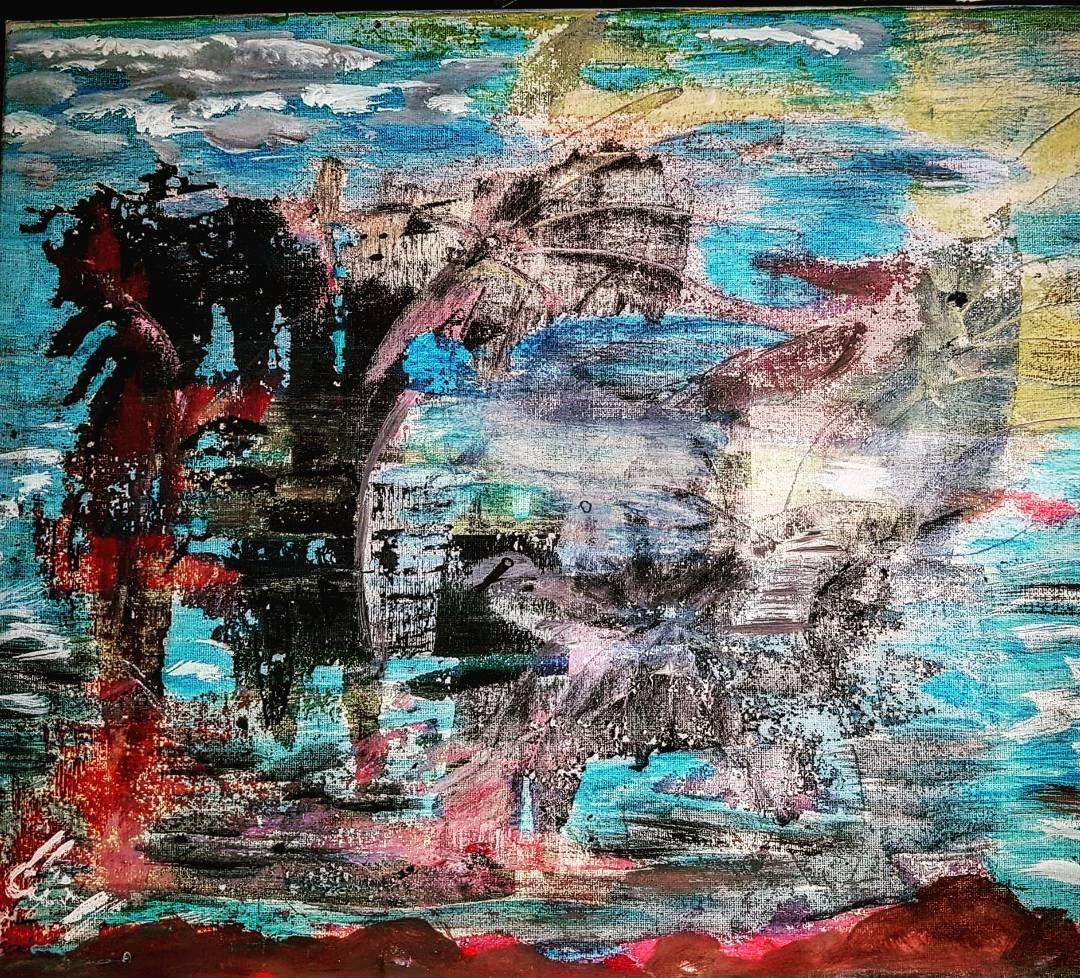
Abstract Expressionism emerged in New York during the 1940s and 1950s as artists sought to express intense emotion and psychological depth through spontaneous, gestural painting. This movement marked America's first major contribution to the international art world and includes subgenres like Action Painting and Color Field Painting.
Artists like Jackson Pollock, Willem de Kooning, and Mark Rothko became central figures in this movement. The Metropolitan Museum notes that Abstract Expressionism emphasized the act of painting itself as a form of personal expression, valuing authenticity and emotional truth over technical precision.
What to Look For:
- Large-scale canvases that envelop the viewer
- Visible evidence of the creative process
- Spontaneous, gestural brushwork
- Emotional intensity conveyed through colour and form
- Rejection of conventional composition rules
3. Color Field Painting
Definition and Characteristics
Color Field Painting features large expanses of flat, solid colour that spread across the canvas to create immersive, meditative experiences. Unlike gestural abstraction, this style minimizes visible brushwork and emphasizes the emotional and spiritual properties of colour itself.
Mark Rothko, Barnett Newman, and Helen Frankenthaler pioneered this approach, creating works that invite contemplation rather than analysis. Rothko's luminous rectangles of colour have become some of the most recognizable and emotionally affecting works in modern art history.
What to Look For:
- Large areas of unmodulated colour
- Soft or blurred edges between colour zones
- Emphasis on the canvas as a unified field
- Minimal compositional elements
- Contemplative, meditative atmosphere
4. Lyrical Abstraction
Definition and Characteristics
Lyrical Abstraction emerged in the late 1960s as a response to the perceived coldness of Minimalism and Conceptual Art. This style emphasizes intuitive, sensual, and romantic qualities through flowing forms, soft edges, and harmonious colour relationships that suggest poetry and music.
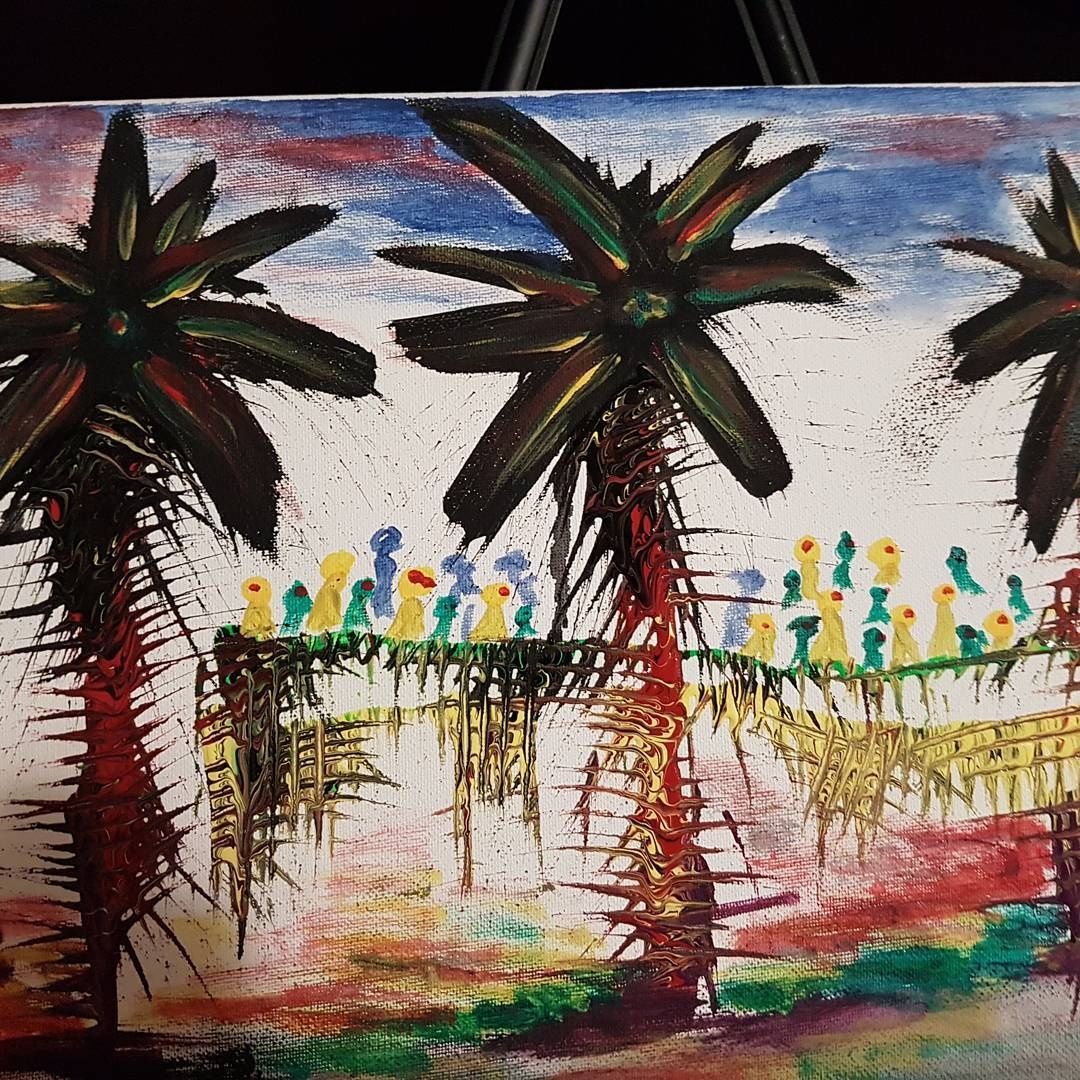
Artists working in this style seek to create emotional resonance through beauty and visual pleasure rather than intellectual rigor. The movement embraces personal expression, spontaneity, and the decorative potential of abstract painting.
What to Look For:
- Organic, flowing shapes and forms
- Harmonious, often pastel colour palettes
- Soft transitions between areas
- Poetic, atmospheric qualities
- Evidence of intuitive creative process
5. Action Painting
Definition and Characteristics
Action Painting emphasizes the physical act of painting as essential to the finished work. The canvas becomes an arena for bodily expression, with drips, splatters, and gestural marks recording the artist's movements and energy during creation.
Jackson Pollock's revolutionary drip paintings exemplify this approach, where he would lay canvases on the floor and move around and over them, pouring and flicking paint in controlled yet spontaneous gestures. The National Gallery of Art describes Pollock's technique as transforming painting into a performative act.
What to Look For:
- Visible drips, splatters, and paint trails
- All-over composition without focal point
- Layered paint application
- Evidence of physical movement and energy
- Textural complexity from varied application methods
6. Minimalism
Definition and Characteristics
Minimalism reduces art to its essential elements, eliminating personal expression, narrative content, and decorative flourishes. This style emphasizes pure form, industrial materials, and the literal presence of the artwork as an object in space.
Artists like Donald Judd, Dan Flavin, and Agnes Martin stripped away everything they considered unnecessary to reveal the fundamental nature of art. The Guggenheim Museum notes that Minimalism challenged viewers to reconsider what constitutes art and how we experience it.
What to Look For:
- Extreme simplicity of form
- Monochromatic or limited colour schemes
- Industrial materials and fabrication
- Precise, impersonal execution
- Emphasis on literal rather than metaphorical presence
7. Neo-Expressionism
Definition and Characteristics
Neo-Expressionism emerged in the late 1970s and 1980s as a reaction against Minimalism and Conceptual Art, returning to expressive, figurative imagery with raw emotional intensity. While often including recognizable elements, many Neo-Expressionist works venture into abstraction through their aggressive treatment of form and colour.
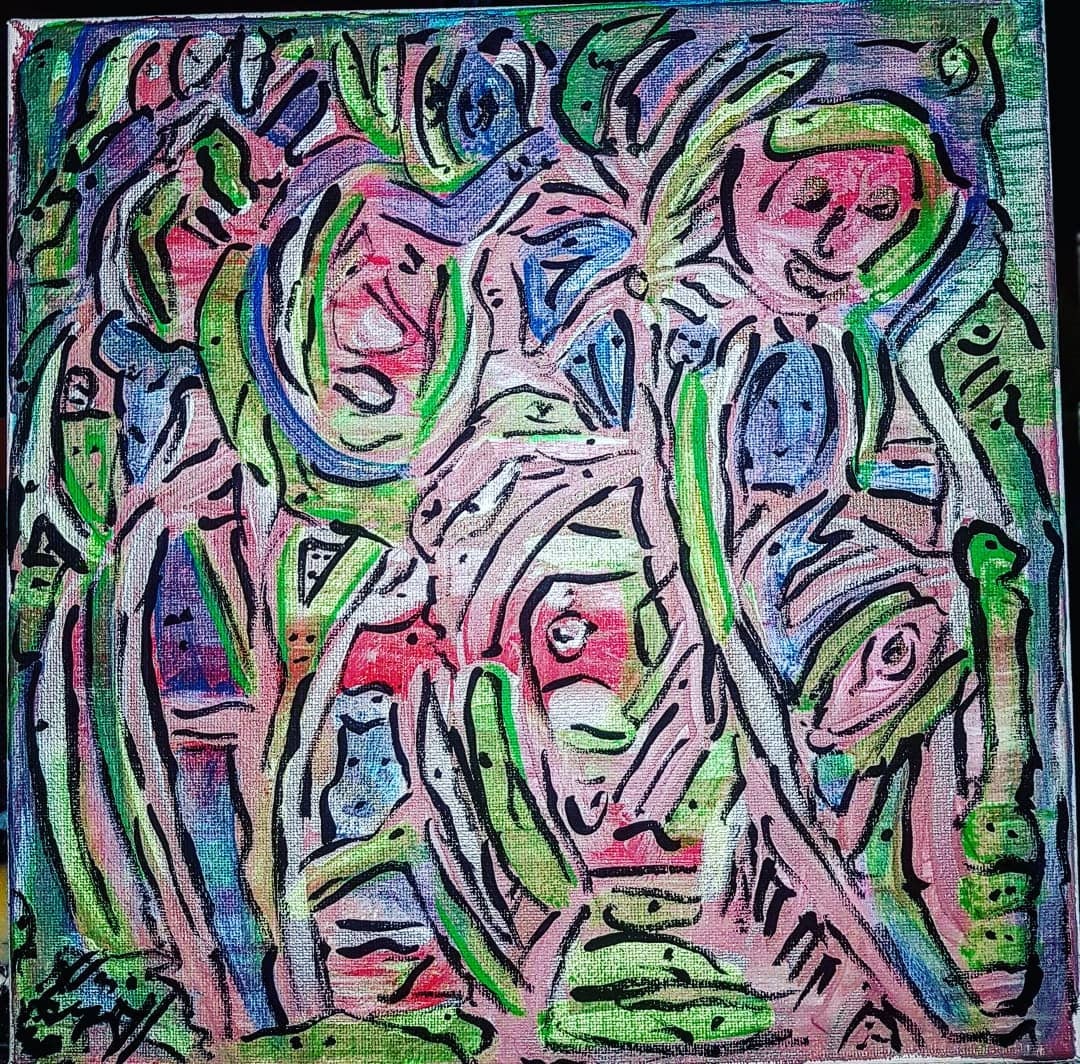
Artists like Jean-Michel Basquiat, Anselm Kiefer, and Julian Schnabel embraced thick paint application, aggressive gestures, and often dark or provocative subject matter. This movement revitalized painting at a time when many critics had declared it dead.
What to Look For:
- Thick, heavily worked paint surfaces
- Intense, often jarring colour combinations
- Aggressive, expressive brushwork
- Mixed media and unconventional materials
- Emotional rawness and psychological intensity
8. Hard-Edge Painting
Definition and Characteristics
Hard-Edge Painting features clean, precise boundaries between colour areas with flat, uniform colour application. Unlike Geometric Abstraction, Hard-Edge works often employ irregular, organic shapes while maintaining the crisp delineation that defines the style.
Emerging in the 1960s, artists like Ellsworth Kelly, Frank Stella, and Kenneth Noland created visually striking works that emphasized the flatness of the picture plane and the optical effects of colour relationships. This style bridges Geometric Abstraction and Color Field Painting.
What to Look For:
- Absolutely sharp edges between colours
- Flat, unmodulated colour areas
- Clean, almost mechanical finish
- Bold colour contrasts
- Emphasis on shape and colour interaction
9. Tachisme
Definition and Characteristics
Tachisme (from the French word tache, meaning stain or spot) is a European abstract movement characterized by spontaneous brushwork, blotches, and stains of colour applied without premeditation. Often considered the European counterpart to American Abstract Expressionism, Tachisme embraces intuition and accident in the creative process.
Artists like Jean Dubuffet, Pierre Soulages, and Hans Hartung developed this approach in post-war Paris, creating works that celebrated rawness, materiality, and direct emotional expression through paint.
What to Look For:
- Irregular blots and stains of colour
- Spontaneous, intuitive application
- Visible texture and materiality
- Dark, earthy colour palettes common
- Evidence of accident embraced in composition
10. Contemporary Abstract
Definition and Characteristics
Contemporary Abstract art encompasses the diverse range of abstract practices emerging from the 21st century. Today's abstract artists often synthesize historical styles, incorporate new technologies, and address contemporary concerns while pushing the boundaries of what abstraction can communicate and achieve.
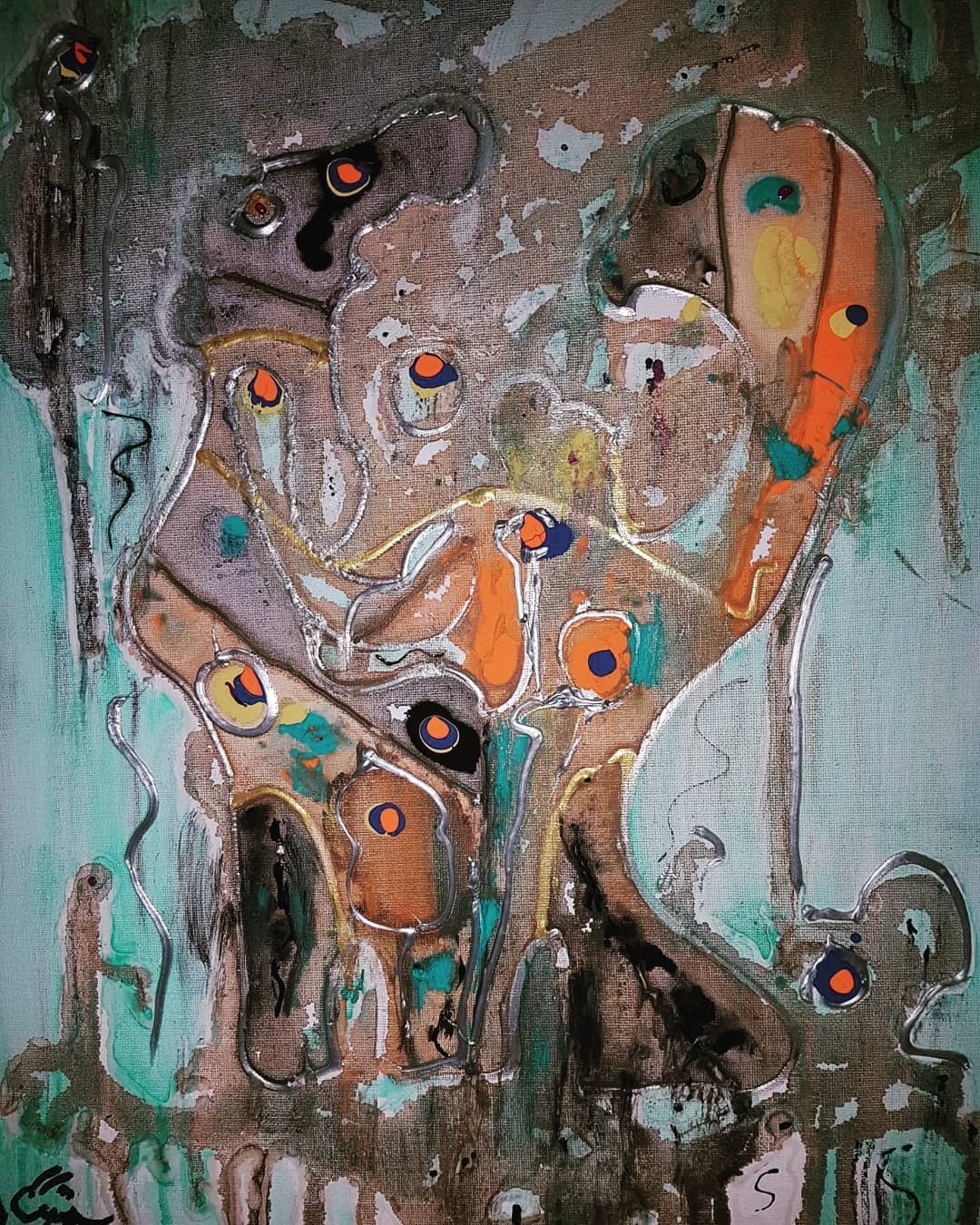
Contemporary abstract painters may work digitally, integrate AI tools into their practice, use sustainable materials, or develop entirely new techniques. What unites them is a commitment to non-representational expression while acknowledging and building upon the rich history of abstract art.
What to Look For:
- Innovative materials and techniques
- Synthesis of historical styles
- Personal artistic voice within tradition
- Conceptual depth alongside visual appeal
- Engagement with contemporary issues and technologies
How to Use This Checklist
This checklist serves multiple purposes for different audiences:
For Collectors: Use these style definitions to identify works that align with your aesthetic preferences and collection goals. Understanding style categories helps you recognize quality within each tradition and make informed purchasing decisions.
For Artists: Studying these styles provides a foundation for understanding the visual vocabulary of abstraction. Many contemporary artists find their unique voice by consciously engaging with historical movements.
For Enthusiasts: When visiting galleries or museums, use this checklist to identify and appreciate the stylistic lineage of works you encounter. Context enriches the viewing experience.
Consider keeping a personal log of which styles resonate most strongly with you. Over time, patterns will emerge that reveal your authentic aesthetic sensibilities, guiding future acquisitions and creative explorations.
Discover Abstract Art at Jamal Abstracts
Now that you understand the essential abstract art styles, you are ready to explore and acquire works that speak to your soul. At Jamal Abstracts, you will find a curated collection of original abstract paintings that draw upon multiple traditions while maintaining a distinctive, emotionally resonant voice.
The collection at Jamal Abstracts features expressive works that blend lyrical abstraction with contemporary sensibilities, creating pieces that transform living and working spaces into environments of beauty and contemplation. Whether you are drawn to bold colours, subtle textures, or evocative compositions, you will find original paintings that reward both immediate appreciation and prolonged engagement.
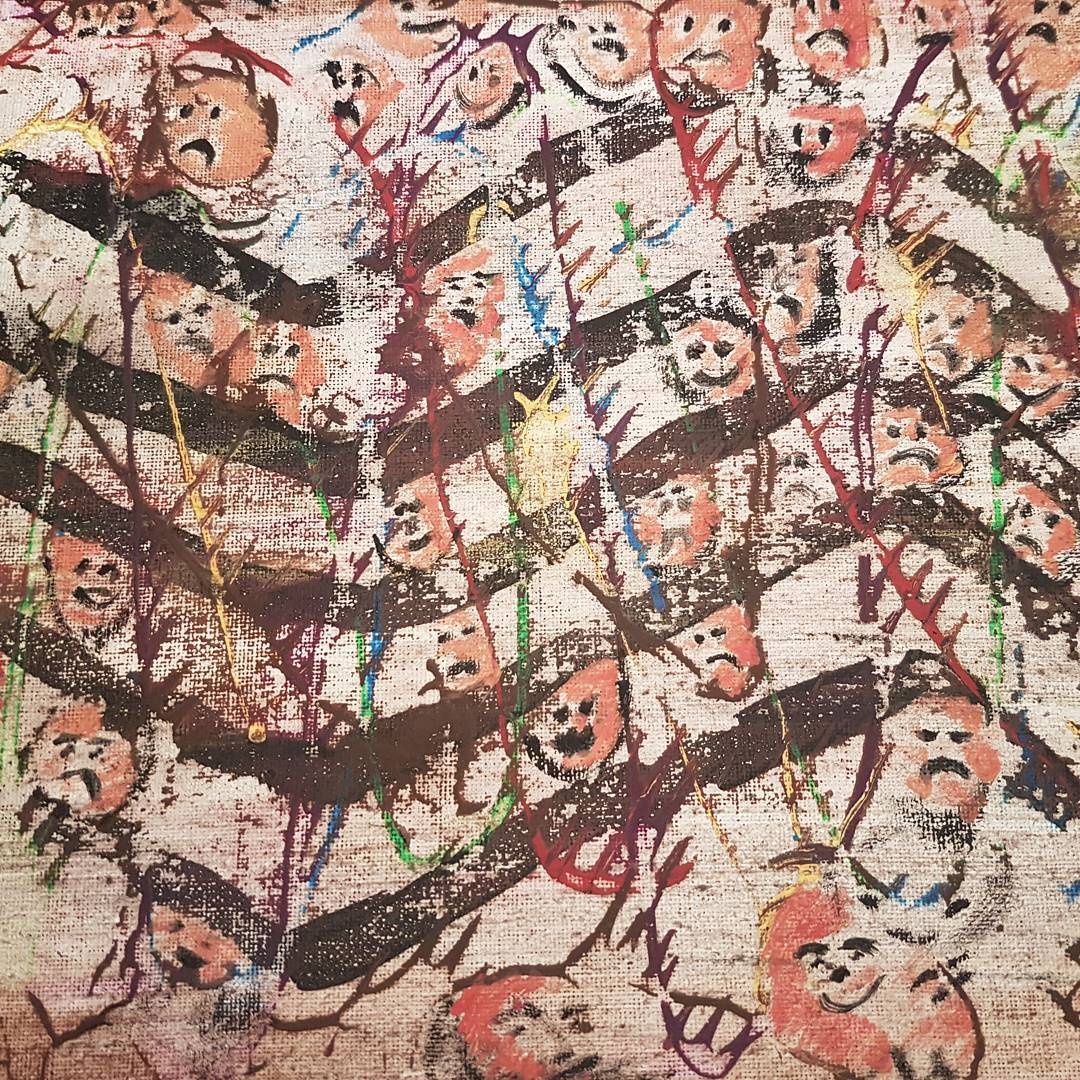
Beyond the gallery, Jamal Abstracts offers an innovative AI-powered art creation tool that lets you explore your own abstract artistic vision. Describe your emotions, memories, or aesthetic preferences, and watch as technology helps translate your inner world into visual form. It is a unique way to engage with abstract art as both viewer and creator.
Visit jamalabstracts.ca today to explore the collection and begin your journey into the emotionally rich world of abstract art. Whether you are starting your first collection or adding to an established one, you will find works that honour the traditions outlined in this checklist while offering fresh, contemporary perspectives.
Frequently Asked Questions
What is the difference between abstract art and non-representational art?
Abstract art is a broad category that includes both works that abstract from reality (simplifying or distorting recognizable subjects) and non-representational works that have no reference to the physical world. All non-representational art is abstract, but not all abstract art is non-representational.
Which abstract art style is best for beginners to collect?
Contemporary Abstract and Lyrical Abstraction often appeal to beginning collectors because they prioritize emotional resonance and visual beauty while remaining accessible. Start with works that genuinely move you rather than trying to match a particular style category.
How do I know if an abstract painting is well-executed?
Quality in abstract art depends on the style. In Geometric Abstraction, precision matters; in Action Painting, energy and rhythm are key. Across styles, look for intentionality, visual coherence, and the ability to sustain your interest over time.
Can I mix different abstract styles in my collection?
Absolutely. Many collectors find that different styles complement each other, creating dynamic conversations between works. The key is ensuring that each piece individually meets your standards for quality and emotional resonance.
Are certain abstract art styles more valuable than others?
Market value depends more on the artist, provenance, and condition than on style alone. However, works by masters of historically significant movements like Abstract Expressionism have established substantial market value. Contemporary works offer potential appreciation as artists develop their reputations.