Understanding the Creative Process in Abstract Art: From Inspiration to Masterpiece
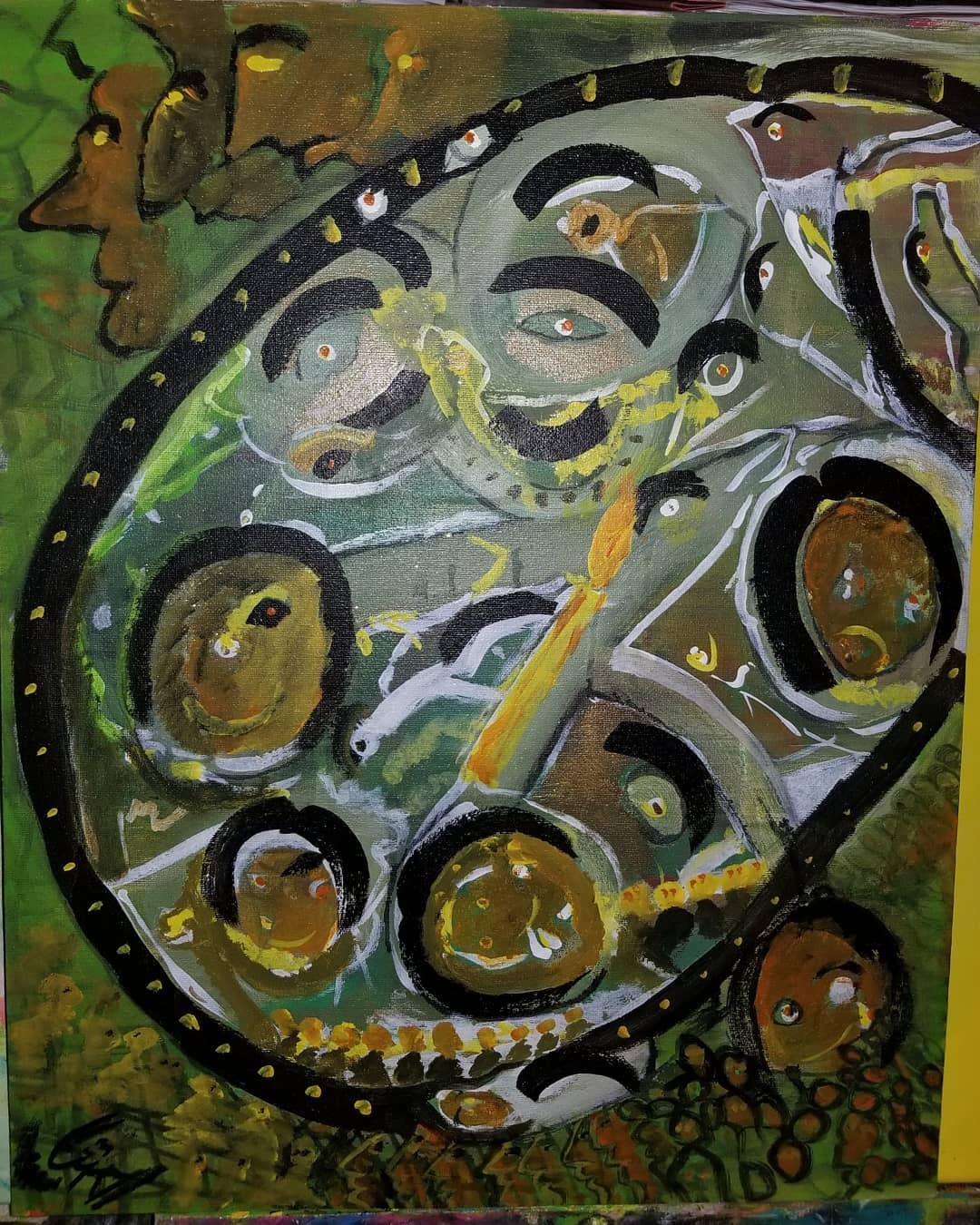
The creative process in abstract art remains one of the most fascinating yet misunderstood aspects of artistic practice. Many viewers, when confronting a non-representational painting, wonder how the artist arrived at such a composition. Unlike traditional art where the subject provides an obvious starting point, abstract artists must navigate a complex terrain of emotions, concepts, and formal elements to create works that resonate without depicting recognizable objects.
Understanding how abstract artists work demystifies these powerful creations and deepens appreciation for the skill and intention behind each piece. From the initial spark of inspiration through the iterative process of development to the critical moment when an artist declares a work complete, the creative journey of abstract art reveals a sophisticated interplay of intuition, technique, and artistic vision that produces works capable of moving viewers across cultural and temporal boundaries.
Table of Contents
- Sources of Inspiration in Abstract Art
- Building the Conceptual Foundation
- Techniques and Materials in Abstract Creation
- The Balance of Intuition and Intention
- The Iterative Development Process
- Knowing When a Work is Complete
Key Takeaways
| Creative Element | Key Insights |
|---|---|
| Inspiration Sources | Abstract artists draw from diverse sources including emotions, music, nature, human experiences, and other artworks. The key is translating these inspirations into non-representational visual language. |
| Conceptual Framework | Before paint touches canvas, many abstract artists develop conceptual frameworks exploring themes, emotions, or formal investigations that will guide their creative decisions. |
| Technical Approach | Abstract art employs diverse techniques from controlled geometric precision to gestural spontaneity, with material choices significantly impacting the final work's character and impact. |
| Intuition vs Planning | Most abstract artists balance planned elements with intuitive responses during creation, allowing works to evolve organically while maintaining coherent artistic vision. |
| Iterative Refinement | Abstract works typically undergo multiple layers and revisions, with artists adding, subtracting, and modifying elements until achieving the desired visual and emotional impact. |
Sources of Inspiration in Abstract Art
The question "What inspired this?" takes on particular complexity in abstract art, where the connection between inspiration and finished work isn't immediately visible. Abstract artists draw from an extraordinarily diverse range of sources, translating experiences, emotions, and concepts into pure visual form. The Tate's exploration of abstract art reveals how pioneers like Kandinsky were inspired by music's ability to evoke emotion without representation, leading him to pursue similar goals in visual art.
Nature provides profound inspiration for many abstract artists, though not through literal depiction. The patterns found in organic forms, the movement of water, the structure of crystals, or the way light filters through leaves can all spark abstract explorations. Georgia O'Keeffe at MoMA famously moved between representational and abstract approaches, showing how natural forms could be simplified and abstracted while retaining their essential energy.
Emotional and psychological states represent another rich vein of inspiration. Abstract Expressionists like Mark Rothko sought to express what he called "basic human emotions - tragedy, ecstasy, doom." This emotional starting point differs fundamentally from beginning with a visual subject. The artist must find colors, shapes, and compositions that somehow embody these internal states, requiring deep self-awareness and artistic sensitivity.
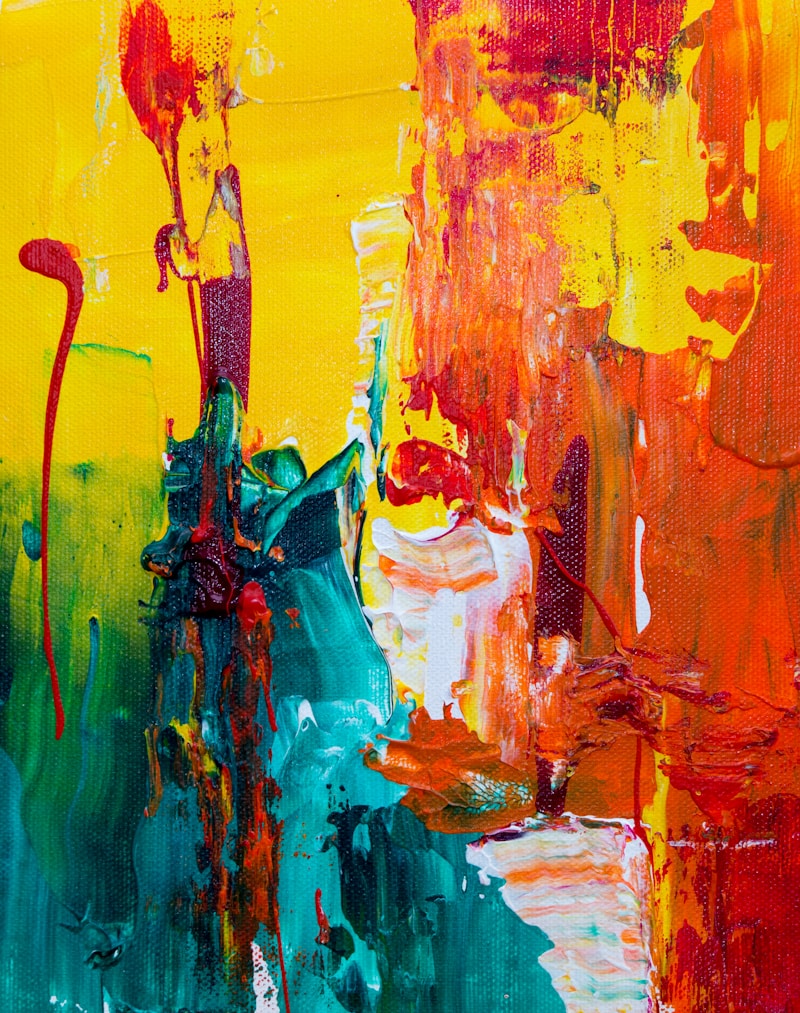
Music has particularly influenced abstract art, with many artists seeking visual equivalents to musical qualities like rhythm, harmony, and dynamics. The Guggenheim's Kandinsky collection demonstrates his lifelong pursuit of visual music, with paintings that seem to pulse with melodic movement. Contemporary abstract artists continue this tradition, sometimes working while listening to music and allowing sound to influence their mark-making.
Human experience and cultural observation also fuel abstract creation. The energy of urban environments, the pace of modern life, or reflections on social conditions can all be distilled into abstract visual language. Artists working at Jamal Abstracts often explore themes of human connection and collective experience through abstract forms, creating works that resonate with viewers' own experiences without depicting specific scenes.
Pro tip: When viewing abstract art, rather than asking "what does this represent?", ask "what might have inspired this feeling or energy?" This shift in perspective opens new pathways to understanding and appreciation.
Building the Conceptual Foundation
Before beginning a work, many abstract artists engage in a conceptual development phase that establishes the parameters for creation. This might involve written notes, preliminary sketches, color studies, or simply focused reflection on the ideas to be explored. The Met's collection notes on abstract works often reveal how artists articulated their intentions before beginning to paint.
Some artists work in series, developing a conceptual framework that guides multiple related works. This approach allows for deep exploration of particular themes, color relationships, or formal problems. Each work in a series builds on insights from previous pieces while exploring new variations, creating a body of work with internal coherence and development over time.
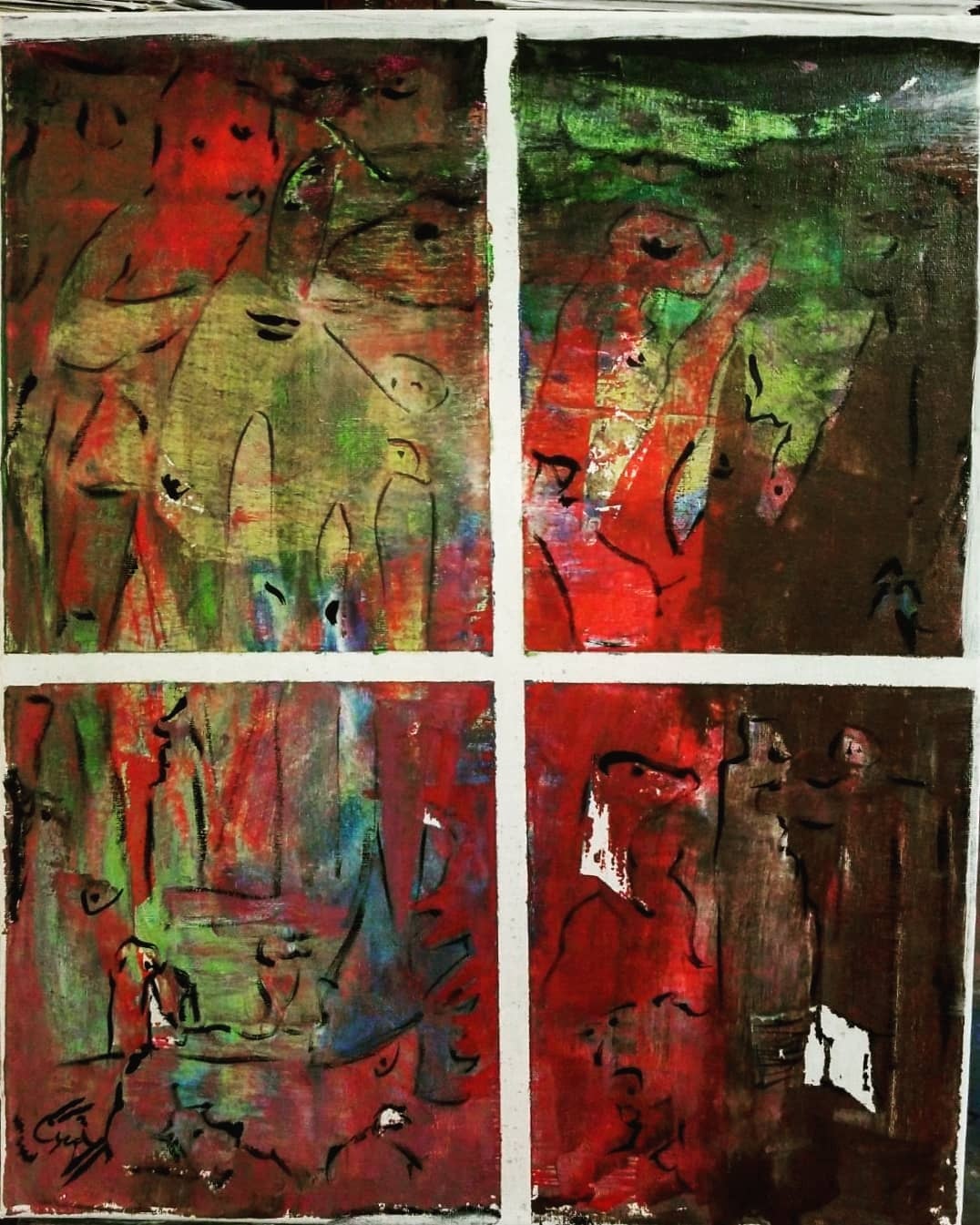
The conceptual foundation might be quite specific - exploring how certain color combinations create spatial depth, for instance - or broadly thematic, investigating concepts like transition, memory, or interconnection. Artsy's guide to understanding abstract art emphasizes that these conceptual underpinnings, while invisible in the finished work, provide the structure that gives abstract art its power and coherence.
Not all abstract artists work with explicit concepts. Some deliberately avoid predetermined ideas, instead allowing the work to evolve through purely intuitive responses to the emerging composition. However, even these artists typically bring deep artistic training and internalized aesthetic principles that guide their decisions, providing an implicit conceptual framework shaped by years of practice and study.
The relationship between concept and execution varies greatly among artists. Some develop detailed plans that are then carefully executed, while others use initial concepts as launching points for exploratory journeys that may lead in unexpected directions. Understanding this conceptual dimension helps viewers appreciate that abstract art, far from being random or arbitrary, emerges from deliberate creative thinking.
Pro tip: Reading artist statements and interviews provides valuable insight into the conceptual foundations of abstract work. Many museums and galleries publish this information alongside exhibited works.
Techniques and Materials in Abstract Creation
The technical aspects of abstract art are as varied as the artists who practice it, ranging from meticulous precision to explosive spontaneity. Material choices significantly impact the character of finished works, with different media offering distinct possibilities for expression. The National Gallery of Art's technical resources detail how various painting methods create different effects.
Oil paint remains popular for its rich color, slow drying time allowing extended working periods, and capacity for both transparent glazing and thick impasto application. Acrylic paints offer faster drying and greater versatility, including the ability to create effects impossible with oils. Many contemporary abstract artists combine multiple media, incorporating collage elements, mixed materials, or unconventional tools into their practice.
Application methods vary dramatically among abstract artists. Some use traditional brushes with great control, while others employ palette knives, squeegees, sponges, or even their hands to apply paint. Jackson Pollock's famous drip technique revolutionized abstract painting by removing the brush from the canvas entirely, allowing paint to flow directly from the container in controlled gestures.

Canvas preparation affects how paint behaves and how the finished work appears. Some artists prefer highly absorbent unprimed canvas that drinks in paint, while others use multiple gesso layers creating smooth, non-absorbent surfaces. The size and orientation of the canvas also influences the creative process, with large works requiring different physical approaches than intimate pieces.
Surface texture is another critical technical consideration. Abstract artists may build up thick textures through multiple paint layers, incorporate sand or other materials for physical texture, or work toward perfectly smooth surfaces. These textural choices aren't merely decorative but integral to the work's meaning and impact, affecting how light interacts with the surface and how viewers physically experience the piece.
The creative tools at Jamal Abstracts demonstrate how contemporary technology expands the range of techniques available to abstract artists. Digital tools allow for exploration and experimentation that complements traditional methods, enabling artists to visualize possibilities before committing to physical materials.
Pro tip: When possible, view abstract paintings in person rather than through reproductions. The physical qualities of paint application, texture, and scale are essential to the full experience but impossible to capture in photographs.
The Balance of Intuition and Intention
One of the most distinctive aspects of the abstract creative process is the interplay between planned intention and spontaneous intuition. Unlike representational painting where the subject provides continuous reference points, abstract artists must navigate between predetermined goals and responsive improvisation. Britannica's analysis of Abstract Expressionism explores how artists in this movement particularly valued intuitive, unconscious creative processes.
Many abstract artists describe entering a state of flow during creation, where conscious thought recedes and decisions emerge from a deeper, intuitive place. This doesn't mean the work is uncontrolled - years of training and practice have internalized aesthetic principles that guide these intuitive responses. The artist's hand "knows" what's needed even when the conscious mind can't articulate it.
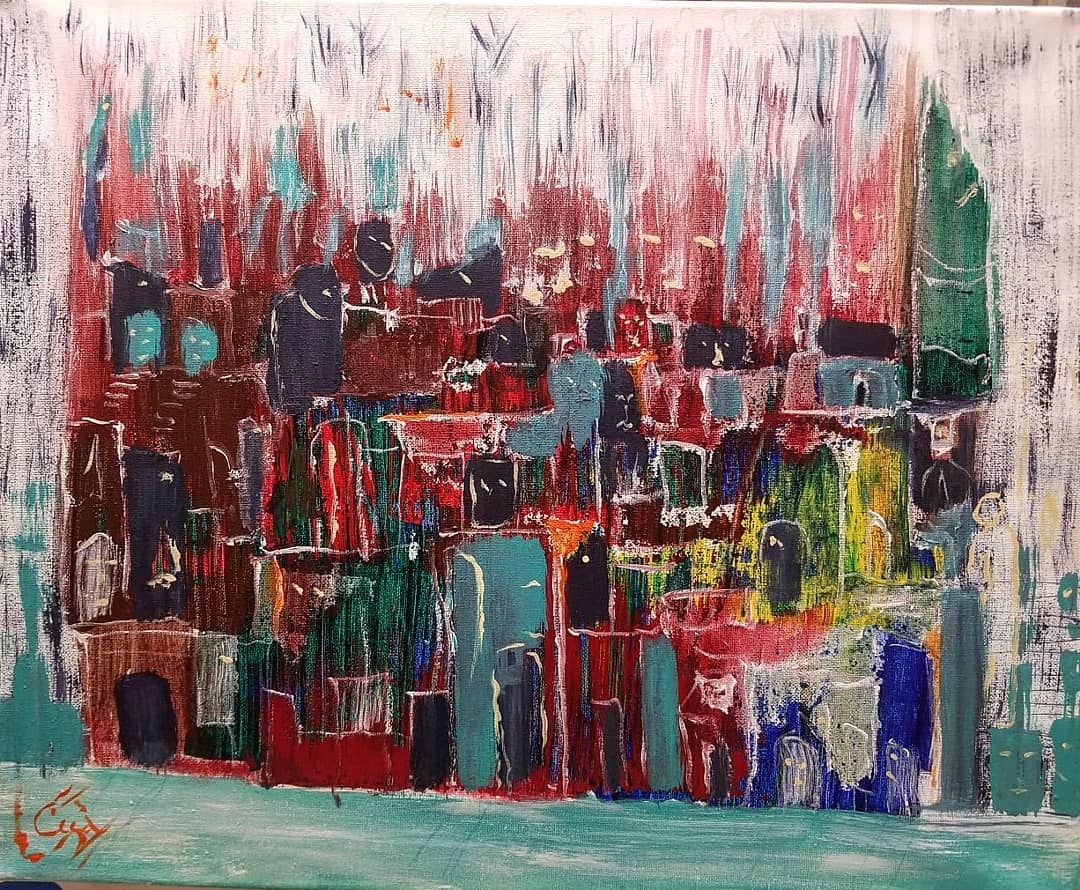
Intentional planning typically governs certain aspects of a work - perhaps the overall color palette, the size and format, or the conceptual theme - while leaving other elements open to intuitive development. This framework provides structure without constraining the creative freedom that makes abstract art vital and surprising. The balance varies among artists and even among different works by the same artist.
ARTnews interviews with abstract artists reveal that most describe a conversational relationship with their emerging work. The painting "tells" the artist what it needs, and the artist responds. This dialogue continues throughout the creation process, with initial intentions modified by the developing reality of the work on canvas.
The courage to follow intuition, even when it contradicts initial plans, distinguishes mature abstract practice. An artist might begin with clear intentions only to discover the work demanding something entirely different. Recognizing and honoring these intuitive signals requires both artistic confidence and humility before the creative process itself.
Pro tip: If you're exploring abstract creation yourself, practice setting initial intentions then allowing yourself to respond intuitively as the work develops. Neither pure planning nor pure spontaneity typically produces the strongest results.
The Iterative Development Process
Abstract paintings rarely spring fully formed onto canvas. Instead, they develop through an iterative process of application, evaluation, and revision that may continue through many sessions over extended periods. Smithsonian Magazine's art coverage has documented how major works often look radically different at various stages of development.
The development process typically begins with initial marks that establish basic compositional structure. These early layers may be completely covered by subsequent work, yet they influence everything that follows by establishing underlying energy and rhythm. Many abstract artists describe these foundational layers as crucial even when invisible in the finished piece.
As work progresses, artists continually assess what's present and what's needed. They step back from the canvas, view it from different angles and distances, sometimes photograph it or live with it for days before making further decisions. This reflective process prevents the work from becoming overworked while ensuring sufficient development for visual and emotional impact.
Revision may involve adding new elements, but equally important is the willingness to subtract - covering, scraping, or sanding away passages that aren't working. The Guardian's art coverage has featured artists who radically transform works multiple times before reaching completion, demonstrating the importance of this additive-subtractive dynamic in abstract creation.
Layer building creates visual depth and complexity characteristic of many abstract works. Transparent glazes over opaque passages, visible brushwork from earlier stages, or deliberate revelation of underlying colors all contribute to the finished surface. This archaeological quality, where traces of the creative journey remain visible, adds richness that single-layer application cannot achieve.
The willingness to take risks during development distinguishes ambitious abstract work. An artist might make a bold move that either elevates the work to new levels or requires starting over. This acceptance of creative risk-taking, including potential failure, allows for breakthroughs impossible when playing safe.
Pro tip: When creating abstract work, document your process photographically at various stages. Reviewing this visual record helps develop awareness of how works evolve and improves decision-making in future projects.
Knowing When a Work is Complete
Determining when an abstract painting is finished presents a unique challenge, as there's no external reference point to indicate completion. The decision to stop working requires the artist to trust their judgment that the work has achieved its potential - a skill developed through experience and reflection. Artforum discussions among artists frequently address this challenging moment in the creative process.
Artists describe various signals that indicate completion: when nothing can be added or removed without diminishing the work, when the painting seems to "breathe" independently of further intervention, or when prolonged viewing reveals no areas demanding attention. These subjective criteria require the artist to become, in some sense, the work's first viewer - stepping outside the creative role to assess the piece objectively.
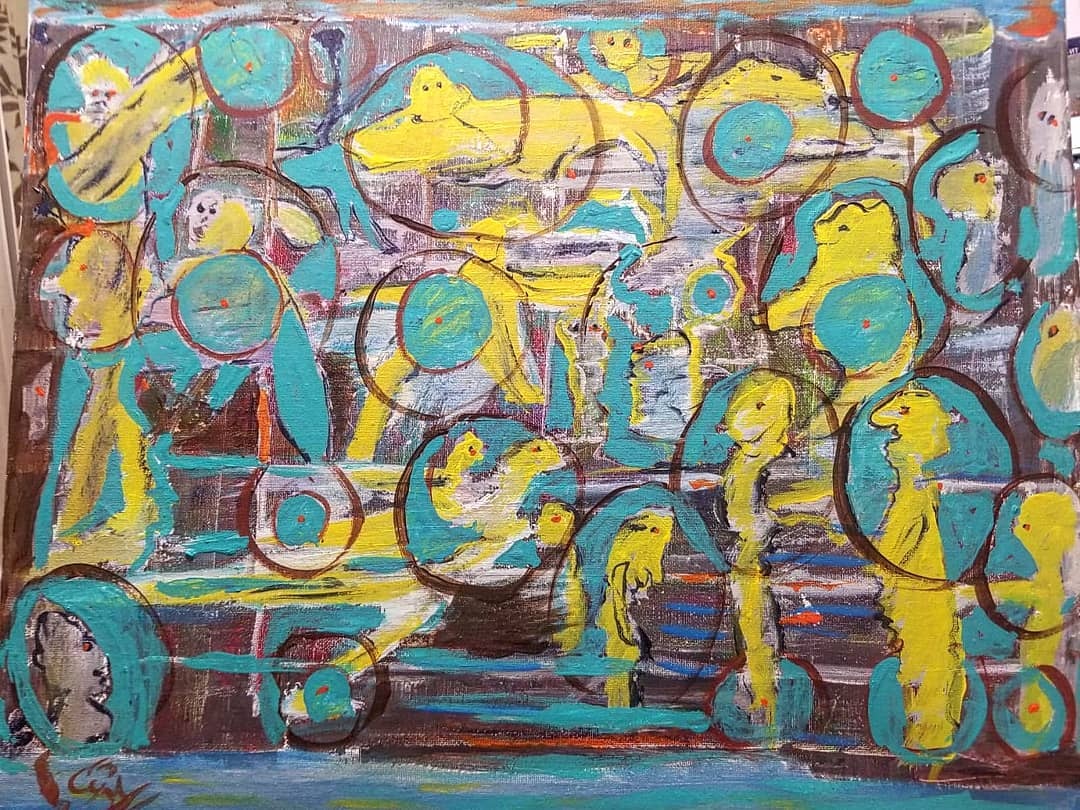
The danger of overworking looms throughout the creative process. Adding too many elements or continuing to adjust a successful passage can diminish a work's power, transforming spontaneous freshness into labored stiffness. Learning to recognize the moment just before overworking requires sensitivity and sometimes painful experience of having pushed too far.
Some artists establish systems to help determine completion - stepping away for days before final evaluation, seeking trusted feedback, or applying predetermined criteria developed through their practice. Hyperallergic's artist interviews reveal the diverse strategies artists employ for this crucial determination.
Post-completion reflection plays an important role in artistic development. Living with a finished work, observing it in different lights and moods, provides insights that inform future creation. Many artists maintain journals documenting their assessment of completed works - what succeeded, what they might approach differently, and how the piece relates to their evolving artistic vision.
The completed work then begins its independent existence, entering into dialogue with viewers who bring their own experiences and interpretations. The artist's creative process culminates in this handoff, as the painting assumes meanings beyond what the creator consciously intended - the hallmark of successful abstract art that transcends its making to become a living presence.
Pro tip: Before declaring a work complete, view it in different lighting conditions and at various times of day. Living with a piece before finalizing ensures that your decision accounts for how the work appears in varied circumstances.
Experience the Creative Journey at Jamal Abstracts
Understanding the creative process in abstract art transforms how we experience these powerful works. Recognizing the journey from inspiration through development to completion deepens appreciation for both the artistic skill involved and the emotional authenticity expressed in each piece.
Jamal Abstracts embodies this thoughtful creative approach, producing abstract paintings that emerge from genuine emotional exploration and careful artistic development. Each work in the collection represents a complete creative journey - from initial inspiration through iterative refinement to confident completion.
Visit the Jamal Abstracts gallery to explore original abstract paintings that demonstrate mastery of the creative process. For those interested in exploring their own abstract creative journey, the AI-powered creation tools offer an accessible entry point to understanding how abstract compositions come to life. Discover works that speak to your experience and connect with the creative vision behind each piece.
Frequently Asked Questions
How long does it take to create an abstract painting?
Creation time varies enormously depending on the artist's working method, the piece's size and complexity, and the iterative development required. Some abstract works emerge in single intense sessions lasting hours, while others develop over weeks or months with extended drying and reflection periods between working sessions. The key is allowing sufficient time for the work to reach its full potential rather than rushing to completion.
Do abstract artists start with sketches or plans?
Practices vary widely among abstract artists. Some develop detailed sketches, color studies, and written concepts before beginning. Others prefer to begin directly on canvas with minimal preconception, allowing the work to develop through intuitive response. Many artists combine both approaches, establishing certain parameters while leaving room for spontaneous development.
How do abstract artists choose their color palettes?
Color selection may emerge from conceptual intentions (colors that evoke particular emotions or associations), from intuitive response during creation, or from systematic exploration of color relationships. Many artists develop signature palettes over time that become integral to their artistic identity, while others vary their color approaches depending on each work's needs.
Can anyone learn the abstract creative process?
The fundamental elements of abstract creation - developing visual sensitivity, learning to balance intuition with intention, and cultivating the judgment to recognize successful compositions - can be developed through study and practice. While artistic talent varies among individuals, engagement with the abstract creative process is accessible to anyone willing to invest time in learning and experimentation.
How do artists develop their unique abstract style?
Individual style emerges through the intersection of influences, personal temperament, technical preferences, and sustained practice. Most artists study diverse approaches before gradually discovering what resonates with their own sensibilities. Style typically develops over years rather than being consciously chosen, evolving as artists deepen their understanding of what they uniquely have to express.