Why Collect Abstract Paintings for Emotional Impact
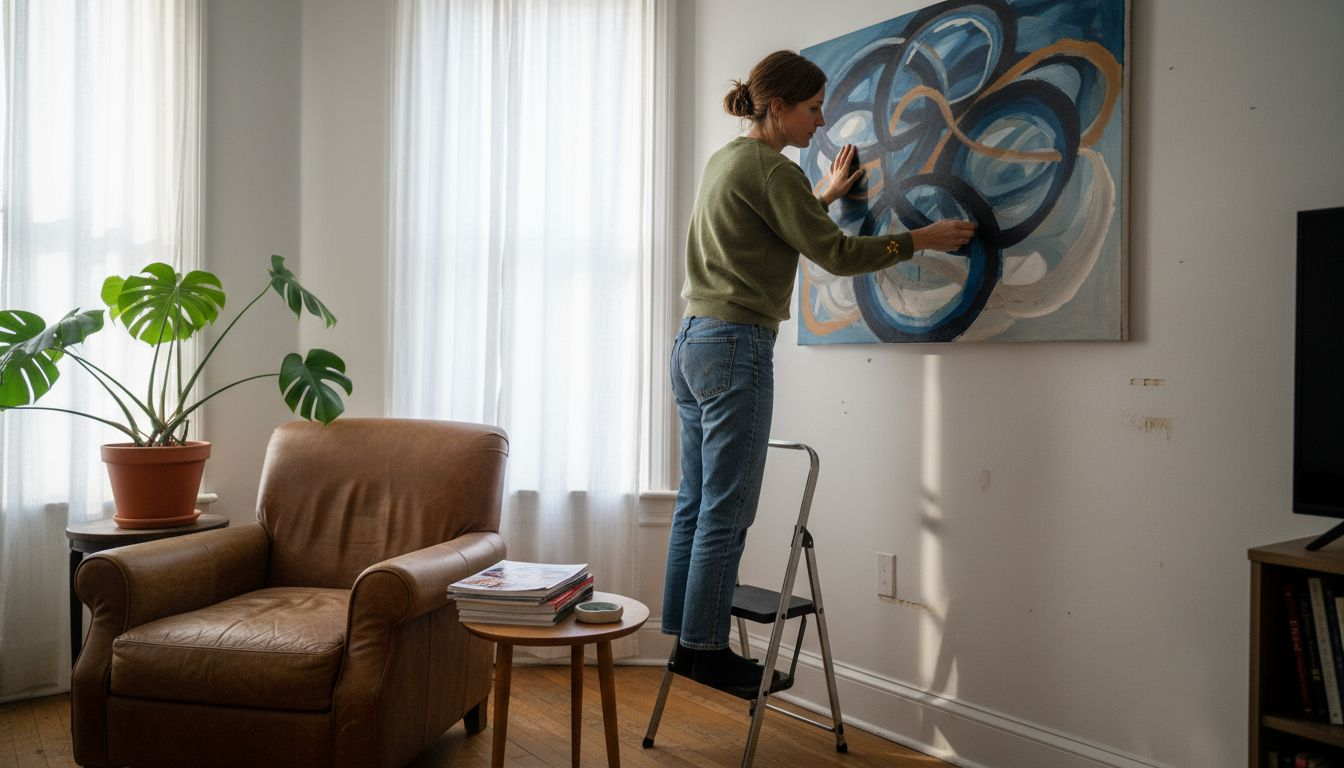
Most Canadian abstract art collectors discover that fewer than one in four buyers fully understand the emotional depth behind non-representational painting. Misunderstandings about abstract artwork can limit the impact a truly expressive piece has on your personal collection. Learning how to interpret and connect with abstract styles, especially those powered by AI, creates opportunities to build a portfolio rich in emotional resonance and meaningful engagement.
Table of Contents
- Abstract Paintings Defined And Misunderstood
- Types And Styles Of Abstract Painting
- Emotional Resonance In Visual Storytelling
- Creative Engagement And Personal Connection
- Investment Value And Long-Term Potential
- Recognizing Common Pitfalls In Collecting
Key Takeaways
| Point | Details |
|---|---|
| Understanding Abstract Art | Abstract art transforms emotional landscapes into non-representational compositions that invite personal interpretation. It challenges traditional portrayals of physical reality, focusing instead on visual elements like colour and shape. |
| Types of Abstract Painting | Major styles, including Geometric Abstraction and Action Painting, offer unique emotional impacts and visual approaches, showcasing the diversity of abstract expression. |
| Emotional Engagement | Visual storytelling in abstract art creates deep emotional resonance between the viewer and the artwork, making it an active dialogue rather than a passive observation. |
| Art Collecting Insights | Successful art collecting involves forging personal connections with artworks and understanding their historical and cultural contexts, prioritizing emotional resonance over market trends. |
Abstract paintings defined and misunderstood
Abstract art represents a revolutionary approach to visual expression that fundamentally challenges traditional representational artwork. Unlike conventional paintings that seek to accurately portray physical reality, abstract art transforms emotional landscapes into vivid, non-representational compositions. Abstract art emerged from complex 20th-century artistic movements, breaking free from conventional aesthetic constraints and inviting viewers to experience pure emotional resonance.
At its core, abstract art eliminates recognizable objects, instead focusing on fundamental visual elements like color, shape, line, and texture. Pure abstraction utilizes forms disconnected from external visual reality, creating works that communicate through pure visual language. Artists like Kazimir Malevich and Piet Mondrian pioneered this approach, demonstrating how geometric shapes and carefully selected color palettes could convey profound emotional experiences without depicting concrete subjects.
Many people misunderstand abstract paintings, dismissing them as random or meaningless. However, these artworks are deeply intentional, requiring sophisticated artistic skill to balance composition, evoke emotion, and create visual harmony. Each brushstroke, color selection, and spatial arrangement represents a deliberate choice designed to trigger specific psychological and emotional responses. Abstract paintings invite personal interpretation, allowing viewers to connect with the artwork through their unique emotional landscape.
Pro tip: When exploring abstract art, approach each piece with curiosity and openness, allowing your personal emotional response to guide your interpretation rather than seeking literal representation.
Types and styles of abstract painting
Abstract art represents a complex and diverse artistic landscape with multiple distinctive styles that emerged throughout the 20th century. Abstract art encompasses a broad range of artistic movements, each offering unique approaches to visual expression beyond traditional representational techniques. These styles range from highly structured geometric compositions to spontaneous, emotionally charged works that challenge conventional artistic boundaries.
Several key abstract painting styles have profoundly influenced artistic development. Distinctive abstract art styles include Geometric Abstraction, Lyrical Abstraction, Tachisme, Action Painting, and Color Field Painting. Geometric Abstraction emphasizes precise shapes and mathematical harmony, utilizing clean lines and balanced compositions. In contrast, Action Painting, popularized by artists like Jackson Pollock, focuses on spontaneous, energetic brushwork that captures raw emotional expression through dynamic physical movements.
Color Field Painting, developed by artists such as Mark Rothko, represents another significant abstract style. This approach uses large expanses of solid color to create meditative, immersive visual experiences that invite deep emotional contemplation. Lyrical Abstraction offers a more fluid approach, featuring organic shapes and soft transitions that suggest emotional landscapes without representing specific objects. These diverse styles demonstrate how abstract art transcends mere visual representation, becoming a powerful medium for communicating complex emotional and psychological experiences.
Pro tip: When exploring abstract painting styles, view each artwork as an emotional journey rather than a literal representation, allowing yourself to connect with the work’s underlying energy and composition.
To better understand abstract painting methods, consider how these key styles differ in their visual approach and emotional effect:
| Style | Visual Characteristics | Emotional Impact |
|---|---|---|
| Geometric Abstraction | Clean lines, precise shapes | Order and rational clarity |
| Action Painting | Energetic brushwork, spontaneity | Raw emotion, dynamic movement |
| Colour Field Painting | Large colour expanses, flatness | Contemplative, immersive calm |
| Lyrical Abstraction | Fluid forms, soft transitions | Poetic, introspective mood |
| Tachisme | Blots, drips, improvisation | Instinctive, expressive energy |
Emotional resonance in visual storytelling
Visual storytelling transcends mere aesthetic representation, serving as a profound mechanism for emotional communication and human connection. Storytelling aims to create deep emotional resonance between the creator and the audience, transforming visual experiences into powerful narrative journeys that engage viewers on multiple psychological levels.
Visual narratives stimulate cognitive and emotional engagement through a complex interplay of sensory and psychological triggers. Research reveals that effective visual storytelling follows a ‘narrate, act, and resonate’ (NAR) framework, where artists strategically craft compositions to evoke specific emotional responses. Each visual element - from colour selection to spatial arrangement - becomes a deliberate tool for communicating nuanced emotional experiences, allowing viewers to connect with the artwork’s underlying psychological landscape.
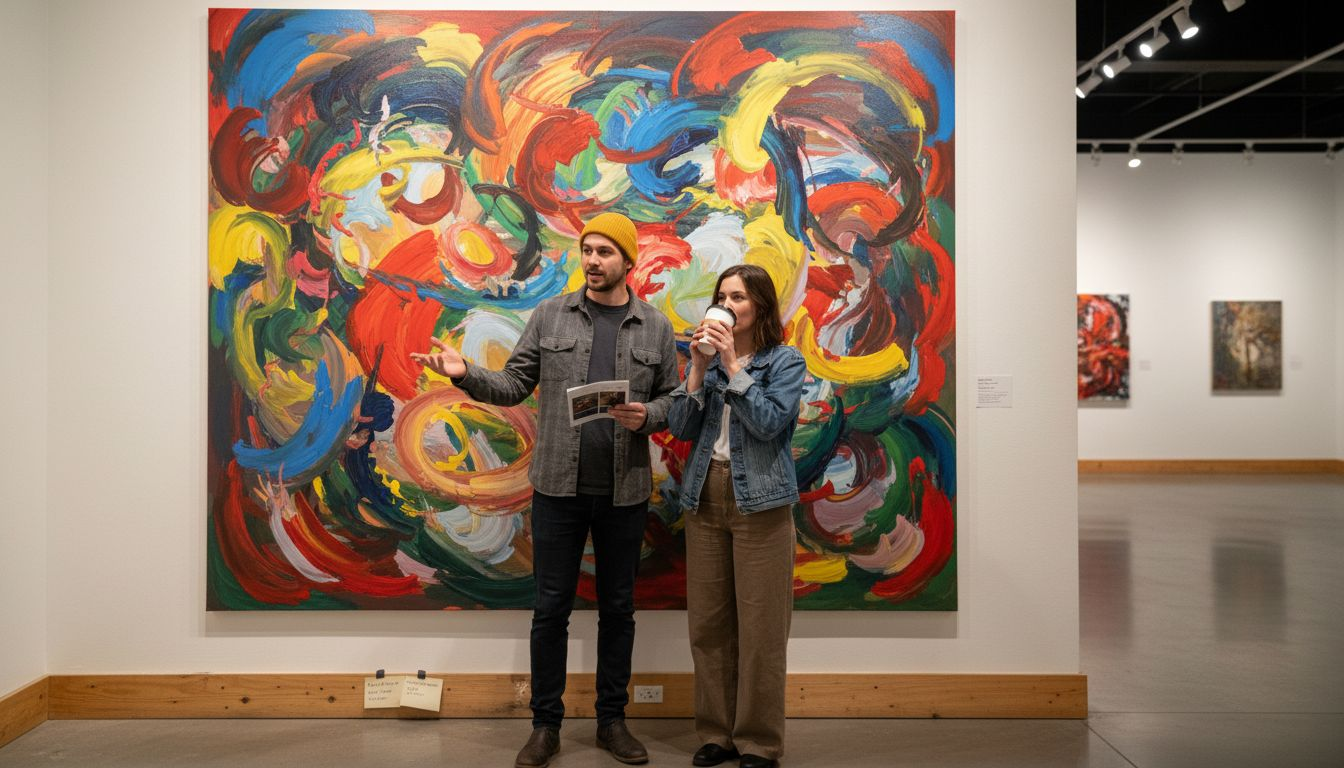
Emotional resonance in visual storytelling is not a passive experience but an active dialogue between the artwork and the viewer. Physiological studies demonstrate that expressive visual narratives can trigger measurable emotional responses, creating a form of emotional contagion where viewers unconsciously synchronize with the artwork’s emotional tenor. This profound connection transforms abstract visual experiences into deeply personal, transformative encounters that transcend traditional communication boundaries.
Pro tip: When exploring emotional visual narratives, allow yourself to experience the artwork instinctively, observing your immediate emotional reactions without attempting to rationalize or interpret them too quickly.
Creative engagement and personal connection
Art collecting represents far more than a passive accumulation of objects. Arts engagement creates powerful emotional connections, transforming the relationship between collectors and artworks into an intimate dialogue of personal meaning and shared experiences. This dynamic interaction goes beyond mere visual appreciation, inviting individuals to explore their inner emotional landscapes through carefully curated visual experiences.
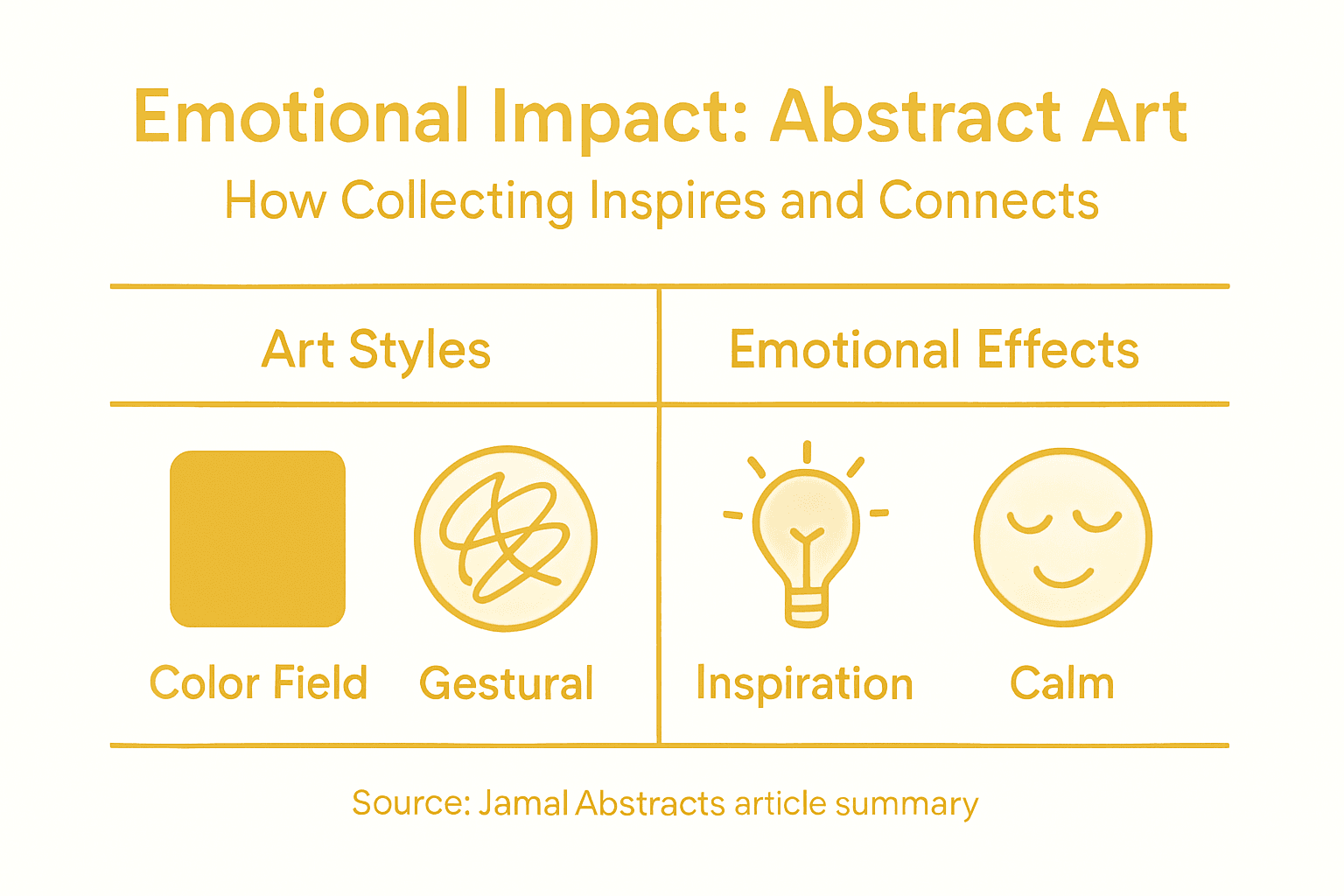
Contemporary art collecting focuses on ‘living with art’ as a profound form of self-expression and personal narrative. Collectors deliberately select pieces that resonate with their individual experiences, values, and emotional trajectories. Each artwork becomes a personal artifact, creating curated spaces that reflect inner psychological landscapes and provoke ongoing reflection. These collections are not static displays but dynamic conversations between the viewer, the artwork, and the broader cultural context.
The most meaningful art collections emerge from deep personal connections that transcend aesthetic considerations. They serve as emotional archives, capturing moments of inspiration, challenge, transformation, and introspection. By integrating artworks into everyday living spaces, collectors create environments that continuously stimulate intellectual and emotional growth, turning their living spaces into personal museums of lived experience and ongoing creative exploration.
Pro tip: When building your art collection, prioritize pieces that genuinely move you emotionally rather than selecting works based solely on market trends or perceived investment value.
Investment value and long-term potential
Art investment represents a sophisticated financial strategy that extends far beyond traditional market approaches. Art collections demonstrate impressive long-run investment performance, challenging conventional investment wisdom by offering unique characteristics that can outperform standard market returns. These investments are nuanced, requiring deep understanding of artistic value, market dynamics, and cultural significance.
Abstract art offers distinct investment opportunities rooted in compositional complexity and historical context. Market analysis reveals that abstract artworks maintain remarkable resilience during economic fluctuations, with value derived from factors like artistic innovation, theoretical importance, and institutional recognition. Key art movements such as Abstract Expressionism have consistently demonstrated substantial long-term appreciation, making them attractive options for discerning investors who understand the deeper cultural and aesthetic dimensions of their acquisitions.
Successful art investment demands more than financial acumen; it requires an intimate understanding of artistic evolution, market trends, and cultural significance. Sophisticated collectors recognize that artwork value transcends mere monetary considerations, encompassing historical importance, artistic innovation, and potential cultural impact. Transaction-specific risks and return characteristics make art a unique asset class, offering portfolio diversification strategies that go beyond traditional financial instruments.
Pro tip: Develop relationships with reputable art experts and galleries to gain insights into emerging artists and movements with significant long-term potential before they become mainstream.
Recognizing common pitfalls in collecting
Art collecting requires sophisticated understanding beyond mere financial transactions. Art collectors frequently make fundamental mistakes that can compromise the integrity and value of their collections. These missteps often stem from emotional impulse, limited research, and a superficial understanding of artistic context.
Successful collecting demands comprehensive knowledge about artists, artwork provenance, and cultural significance. Common pitfalls include chasing market trends instead of cultivating personal aesthetic connections, overlooking critical preservation requirements, and neglecting thorough documentation. Collectors who approach art acquisition as a nuanced, intellectual pursuit rather than a purely transactional experience are more likely to build meaningful, resilient collections.
Navigating the complex art collecting landscape requires balanced judgment and continuous learning. Potential collectors must develop critical skills such as understanding an artist’s historical context, evaluating artwork condition, verifying authenticity, and maintaining proper documentation. These practices protect not only financial investment but also preserve the cultural and emotional value inherent in each artistic piece. Expert consultation, ongoing education, and a commitment to personal aesthetic resonance are essential strategies for avoiding common collecting pitfalls.
Here is a summary of top art collecting mistakes and suggested solutions:
| Common Pitfall | Strategy to Avoid It |
|---|---|
| Following trends blindly | Prioritise personal emotional links |
| Ignoring artwork provenance | Conduct thorough verification |
| Failing to preserve art properly | Learn proper conservation methods |
| Neglecting documentation | Maintain detailed records |
Pro tip: Always allocate time for comprehensive research and expert consultation before making any significant art acquisition, treating each potential purchase as a holistic cultural investment.
Discover the Emotional Power of Abstract Art with JamalAbstracts
The article highlights how collecting abstract paintings offers a unique emotional connection beyond traditional art forms. If you value creating a personal and soulful relationship with your art collection that transcends surface-level aesthetics JamalAbstracts understands this need deeply. By focusing on expressive visual storytelling and intuitive creativity this platform tackles the challenge of finding artworks that truly resonate with your emotional landscape.
Experience bold colours and emotive compositions that invite personal interpretation while fostering a transformative dialogue between the artwork and you. Our collection embraces the concept of emotional resonance in abstract art showcased through original paintings and daily creative sketches. Plus you can explore your own artistic voice through innovative AI-powered art generation tools that let you connect with the creative process firsthand.
Explore how abstract painting can become a living expression of your feelings and stories today. Visit JamalAbstracts to immerse yourself in a vibrant portfolio where emotional impact meets artistic innovation. Start your journey toward building a meaningful art collection that reflects your inner world with original abstract artworks and begin creating interactive art experiences. Don’t wait to deepen your connection with art that moves you — discover your next inspiring piece now.
Frequently Asked Questions
What is the emotional impact of abstract paintings?
Abstract paintings convey emotions through non-representational forms, utilizing color, shape, and texture to evoke personal responses from viewers. Each piece invites interpretation based on individual emotional experiences.
Why should I collect abstract art for emotional expression?
Collecting abstract art allows individuals to reflect their personal stories and emotional journeys. These artworks create intimate connections between the collector and the piece, transforming living spaces into expressive environments.
How does abstract art differ from traditional representational art?
Unlike traditional art that depicts recognizable subjects, abstract art focuses on visual elements like colour, shape, and line to convey emotions. This approach encourages viewers to connect with the artwork beyond its surface meaning.
What are common mistakes to avoid when collecting abstract paintings?
Common pitfalls include following trends without personal connection, neglecting the importance of artwork provenance, and failing to maintain proper documentation and preservation methods. Educating oneself and prioritizing genuine emotional links can help avoid these errors.