Collecting Abstract Art Explained: A Complete Guide for New and Experienced Collectors
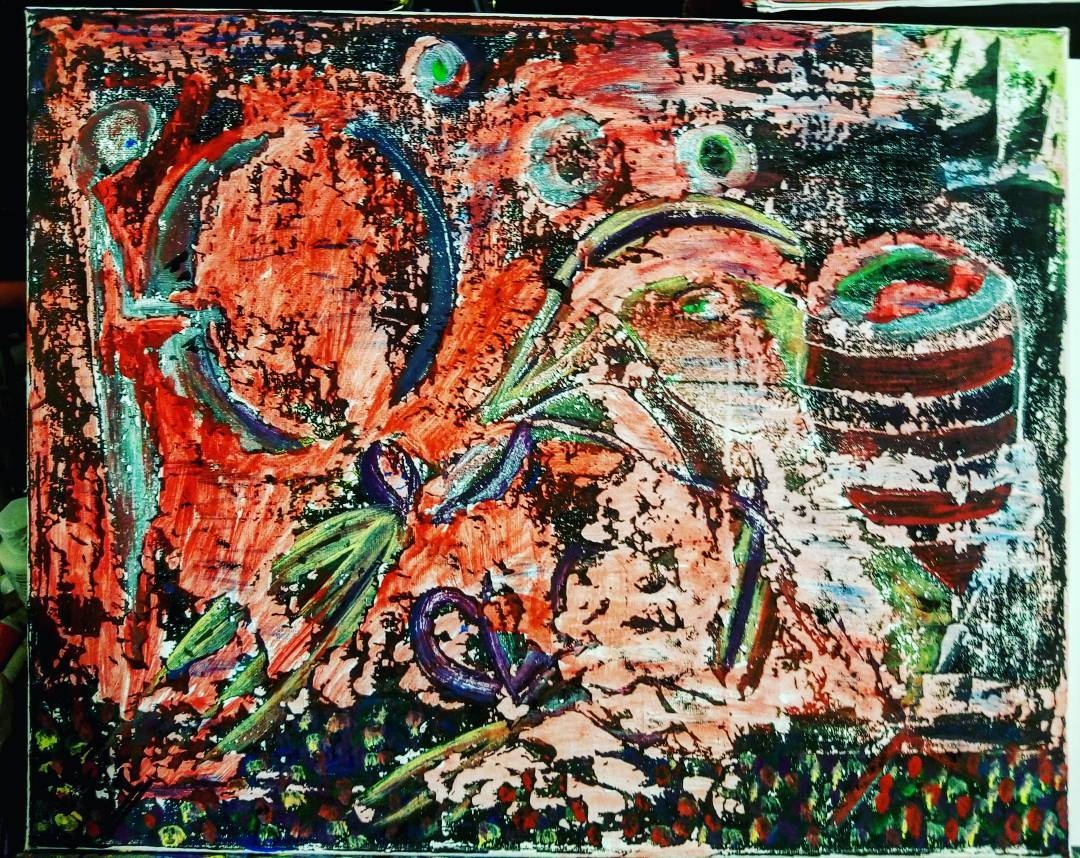
Collecting abstract art represents one of the most rewarding ways to engage with contemporary visual culture while building a personal legacy of meaningful aesthetic objects. Unlike collecting representational art, where subject matter provides obvious entry points, abstract art collecting requires developing new ways of seeing and evaluating visual experience. This comprehensive guide explains everything you need to know about collecting abstract art, from understanding what makes abstract works valuable to building and caring for a collection that reflects your unique vision.
Table of Contents
- Understanding Abstract Art Collection
- Evaluating Abstract Artwork
- Where to Find Abstract Art
- Pricing and Valuation of Abstract Art
- Building a Coherent Collection
- Caring for Your Abstract Art Collection
Key Takeaways
| Topic | Essential Points |
|---|---|
| Collection Foundations | Successful abstract art collecting balances emotional response with informed evaluation, combining personal resonance with understanding of artistic quality, market dynamics, and collection coherence. |
| Evaluation Criteria | Abstract art quality depends on compositional strength, material handling, originality, and contextual significance rather than representational accuracy. Learning to assess these factors develops over time. |
| Acquisition Sources | Abstract art can be acquired through galleries, auction houses, art fairs, direct artist relationships, and online platforms, each offering different advantages for different collector needs. |
| Collection Care | Protecting abstract art investment requires proper installation, environmental control, documentation, and insurance. Good stewardship preserves both aesthetic and financial value. |
Understanding Abstract Art Collection
Abstract art collection differs fundamentally from collecting representational works, requiring collectors to develop new frameworks for appreciation and evaluation. Without recognizable subjects to provide immediate access, abstract works must be understood through their formal qualities, emotional resonance, and art historical context. Christie's guide to collecting abstract art emphasizes that collectors must learn to see beyond subject matter to appreciate the qualities that make abstract works significant.
Collecting abstract art begins with exposure. Visiting museums, galleries, and art fairs develops the visual literacy necessary to distinguish excellent abstract works from mediocre ones. Just as wine appreciation requires tasting many wines, art appreciation requires seeing many artworks. Over time, exposure builds intuitive understanding that precedes analytical explanation.

The motivations for collecting abstract art vary among collectors. Some prioritize aesthetic pleasure, seeking works that enhance their living environments and daily experience. Others pursue intellectual engagement with contemporary artistic discourse. Investment potential motivates some collectors, while others seek to support living artists and participate in cultural production. Sotheby's guidance on starting an art collection suggests that successful collecting typically combines multiple motivations, with emotional connection providing the essential foundation.
Understanding your own motivations clarifies collecting decisions. Collectors primarily motivated by aesthetic pleasure might prioritize works that resonate emotionally regardless of market potential. Those seeking investment returns require different evaluation frameworks that weigh resale potential alongside aesthetic considerations. Most collectors find balance between these poles, building collections that satisfy both heart and mind.
Pro tip: Before purchasing abstract art, spend time with prospective acquisitions whenever possible. Living with a work temporarily or viewing it multiple times reveals qualities that single viewings miss.
Evaluating Abstract Artwork
Evaluating abstract artwork challenges collectors accustomed to assessing representational skill. Without technical accuracy as a measuring stick, how does one determine quality? Experienced collectors and curators employ multiple criteria that, taken together, distinguish accomplished abstract works from less successful attempts. The Museum of Modern Art's resources on abstract art provide frameworks for understanding quality in non-representational work.
Compositional Integrity
Composition refers to the arrangement of visual elements within the picture plane. Strong abstract compositions create visual coherence through relationships between shapes, colours, and spaces. Elements feel purposefully placed rather than arbitrary, with visual tensions resolved or deliberately sustained. Weak compositions feel scattered, unbalanced, or visually chaotic without productive purpose.
Material Handling
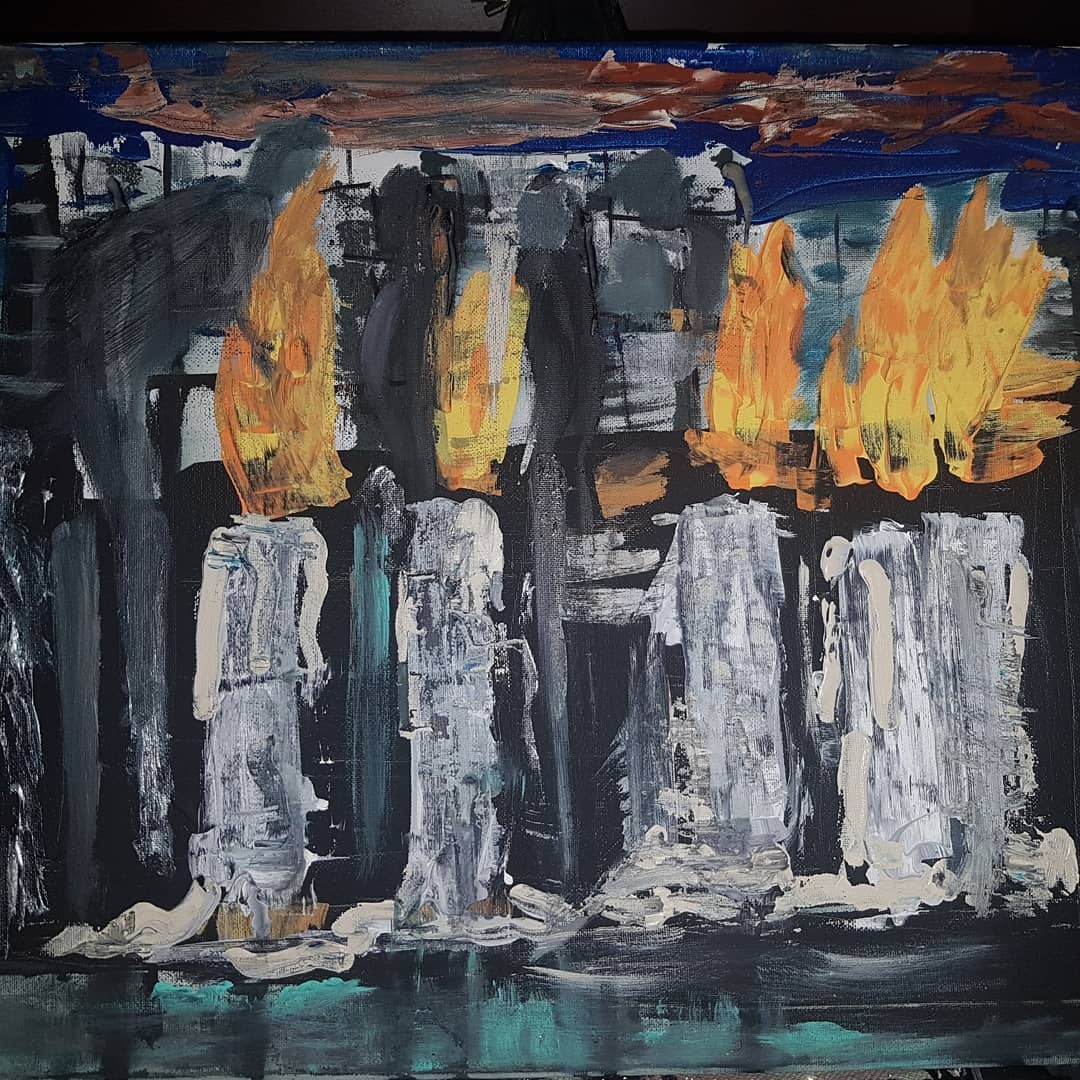
How an artist handles their chosen materials reveals skill and intention. Paint application, surface quality, and material choices all communicate meaning in abstract work. Accomplished abstract painters demonstrate command over their materials, whether through refined control or confident spontaneity. Material handling should feel intentional rather than accidental, even when employing chance elements.
Originality and Voice
Significant abstract art contributes something new to visual discourse rather than merely recycling established approaches. Original works demonstrate distinctive artistic voice while acknowledging their relationship to precedents. The Tate emphasizes that evaluating originality requires knowledge of art history sufficient to recognize innovation against tradition.
Emotional Resonance
Abstract art that generates genuine emotional response demonstrates success at its fundamental purpose: communicating feeling through form. Collectors should trust their emotional reactions while recognizing that initial responses may evolve with continued exposure. Works that sustain interest over time typically offer multiple levels of engagement.
Contextual Significance
An artwork's significance within broader artistic, cultural, and historical contexts affects its importance. Works that represent key moments in an artist's development, important innovations in style or technique, or meaningful responses to cultural conditions carry contextual significance that enhances their value beyond immediate aesthetic appeal.
Pro tip: Develop relationships with knowledgeable advisors, whether gallerists, curators, or experienced collectors. Their perspectives help refine your evaluation skills and prevent costly mistakes.
Where to Find Abstract Art
Abstract art enters the market through multiple channels, each offering different advantages and requiring different approaches. Understanding these acquisition sources helps collectors find works suited to their budget, preferences, and collecting goals.
Commercial Galleries
Commercial galleries represent artists and facilitate sales, typically taking commissions ranging from 40-60% of sale prices. Galleries curate their artist rosters, providing implicit quality endorsement. Artsy's guide to buying from galleries explains that gallery relationships offer ongoing support, including installation advice, authentication, and access to future works by represented artists.
Building gallery relationships benefits collectors long-term. Galleries often offer their best works to established clients first, provide payment plans, and facilitate resale when collectors wish to deaccession works. Treating gallerists as partners rather than adversaries creates mutual benefit over time.
Auction Houses
Major auction houses like Christie's, Sotheby's, and Phillips handle significant abstract works, particularly secondary market sales and estates. Auction purchasing requires understanding hammer prices, buyer's premiums, and the dynamics of bidding. Phillips provides auction buying guides for new participants. Smaller regional auction houses offer more accessible entry points for developing collections.
Art Fairs
Art fairs concentrate galleries, artists, and collectors, providing efficient exposure to diverse offerings. Major fairs like Art Basel, Frieze, and the Armory Show showcase established galleries, while satellite fairs feature emerging artists and alternative spaces. Fairs enable comparison across multiple presentations and create opportunities for spontaneous discoveries.
Direct Artist Purchases
Buying directly from artists through studio visits or artist websites offers several advantages. Prices may be lower without gallery commissions, though established artists often maintain gallery price parity. Direct relationships provide insight into artistic process and access to works outside gallery representation. Artwork Archive explains the dynamics of direct artist sales from both artist and collector perspectives.
Online Platforms
Online platforms have democratized art access, allowing collectors to browse and purchase from anywhere. Platforms range from curated marketplaces with gallery partnerships to open platforms where artists sell directly. Online purchasing requires comfort evaluating work from digital images, though reputable platforms offer return policies to mitigate risk.
Pro tip: Diversify acquisition sources rather than relying on single channels. Different sources offer different advantages and expose you to different segments of the abstract art market.
Pricing and Valuation of Abstract Art
Abstract art pricing often mystifies newcomers who wonder how seemingly simple paintings command significant prices while apparently similar works sell for fractions. Understanding the factors that determine abstract art prices helps collectors make informed purchasing decisions and assess value accurately.
Primary Market Factors
Primary market prices (new works sold for the first time) reflect artist reputation, gallery standing, work scale, material costs, and market positioning. ARTnews explains that primary market pricing involves strategic considerations beyond simple supply and demand, as galleries manage artist careers for long-term development.
Artist career stage significantly affects pricing. Emerging artists price accessibly to build collector base. Mid-career artists with established records command higher prices reflecting proven demand. Major established artists at peak market position carry premium prices supported by institutional collections and auction records.
Secondary Market Dynamics
Secondary market prices (resales of previously sold works) respond more directly to supply and demand. Auction results establish public price records that influence subsequent valuations. Strong auction performance elevates artist markets, while weak results can depress them. Artnet's price database provides auction records useful for researching secondary market values.
Factors Affecting Value
Multiple factors combine to determine abstract art value:
| Factor | Impact on Value |
|---|---|
| Artist reputation | Established reputations command premium prices |
| Provenance | Distinguished ownership history increases value |
| Exhibition history | Institutional exhibitions enhance significance |
| Period | Works from important career periods valued higher |
| Condition | Excellent condition preserves full value |
| Scale | Larger works typically command higher prices |
| Rarity | Scarce works in high demand appreciate |
Investment Considerations
While some collectors achieve substantial returns on abstract art, treating art purely as investment involves significant risks. Art markets are illiquid, transaction costs are high, and valuations can fluctuate dramatically. Collectors who buy what they love regardless of investment potential often find that quality works appreciate while providing aesthetic dividends that purely financial investments cannot match.
Pro tip: Buy the best work you can afford from artists you genuinely appreciate. Quality works by significant artists tend to hold value better than lesser works chosen for speculative reasons.
Building a Coherent Collection
Individual purchases accumulate into collections that can either feel random or achieve meaningful coherence. Thoughtful collectors develop themes, parameters, and strategies that guide acquisitions toward collections greater than the sum of their parts. Artspace's collection-building guide emphasizes that coherent collections tell stories through the relationships between works.
Defining Collection Focus
Collection focus can take many forms. Some collectors focus on particular movements, periods, or stylistic approaches within abstraction. Others collect works by artists from specific regions or backgrounds. Thematic collections might explore particular ideas, materials, or aesthetic qualities across diverse artists. The focus itself matters less than having some organizing principle that guides acquisition decisions.
Quality Over Quantity
Strong collections typically prioritize quality over quantity, comprising fewer excellent works rather than many mediocre ones. A collection of ten significant works by notable artists carries more weight than fifty minor pieces. This approach requires patience, as significant works may not appear frequently or fall within budget immediately.
Dialogue Between Works
The best collections create dialogue between works, with pieces commenting on, contrasting with, or extending each other. Experienced collectors consider how prospective acquisitions relate to existing holdings, seeking works that enrich rather than duplicate what the collection already contains.
Evolution and Refinement
Collections evolve over time as collector knowledge and taste develop. Deaccessioning works that no longer fit collection direction or represent superseded taste opens resources for stronger acquisitions. The Guggenheim's collection development demonstrates how major collections evolve through considered additions and thoughtful refinement over decades.
Pro tip: Document your collection decisions, recording why you acquired each work and how it relates to your collection vision. This record clarifies collection development and provides valuable provenance documentation.
Caring for Your Abstract Art Collection
Protecting abstract art investment requires attention to installation, environment, documentation, and insurance. Proper care preserves both aesthetic qualities and financial value, ensuring works remain in condition suitable for display, loan, and eventual sale.
Proper Installation
Professional installation protects works from damage and presents them to best advantage. Heavy works require appropriate wall anchors. Proper hanging heights and lighting enhance viewing experience. Works on paper require UV-protective glazing. The National Gallery of Art's conservation resources provide guidance on proper artwork handling and installation.
Environmental Control
Artworks deteriorate when exposed to inappropriate environmental conditions. Stable temperature and humidity prevent cracking, warping, and mould growth. Direct sunlight causes fading in many pigments. Climate control need not be museum-grade, but should avoid extremes and rapid fluctuations that stress materials.
Documentation
Thorough documentation protects your investment and enhances resale value. Records should include purchase receipts, certificates of authenticity, condition reports, exhibition history, and photographic documentation. Artwork Archive and similar services provide collection management tools that systematize documentation for private collectors.
Insurance
Standard homeowner insurance typically provides inadequate coverage for art collections. Specialized art insurance offers appropriate protection against theft, damage, and loss. Policies can cover works at scheduled values or blanket amounts, with premiums reflecting collection value and security measures.
Conservation
When works require conservation treatment, use qualified conservators rather than general restoration services. Professional conservators follow ethical standards that preserve artistic integrity while addressing damage. Major auction houses and museums can recommend qualified conservators in your area.
Pro tip: Schedule regular condition assessments for your collection, catching developing issues before they become serious problems. Prevention costs far less than remediation.
Start Collecting with Jamal Abstracts
Understanding how to collect abstract art opens pathways to building a meaningful collection that enriches your life and environment. If you are ready to begin or expand your abstract art collection, Jamal Abstracts offers accessible entry points into contemporary abstract expression.
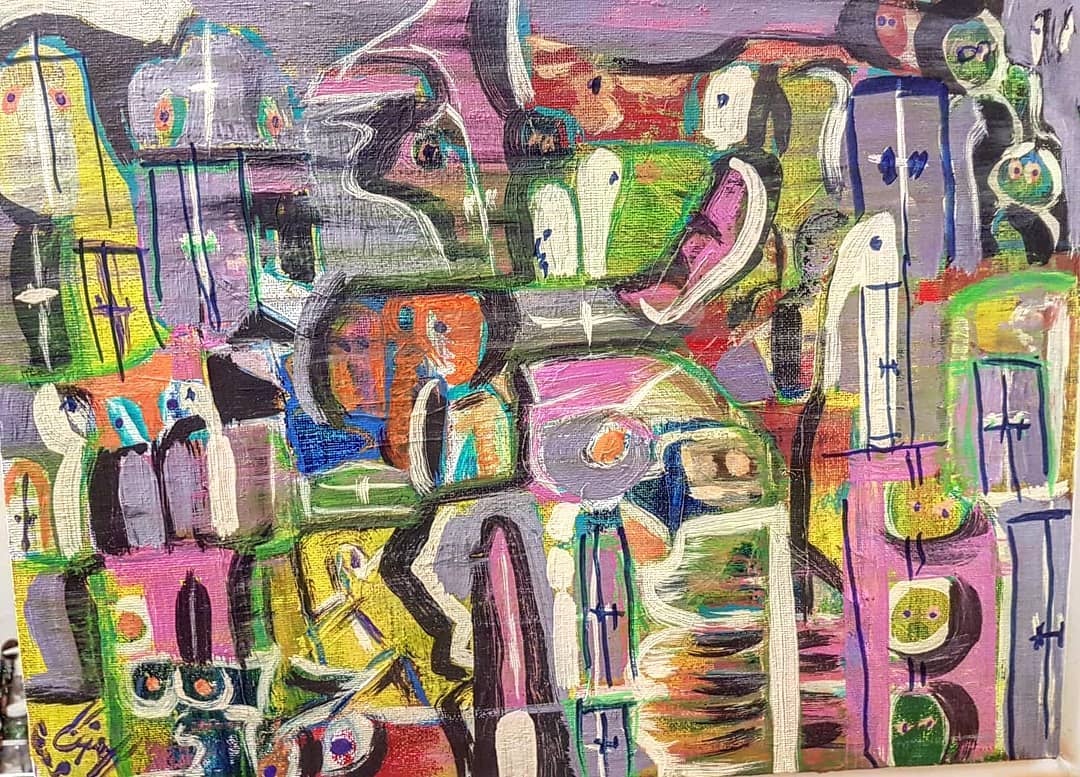
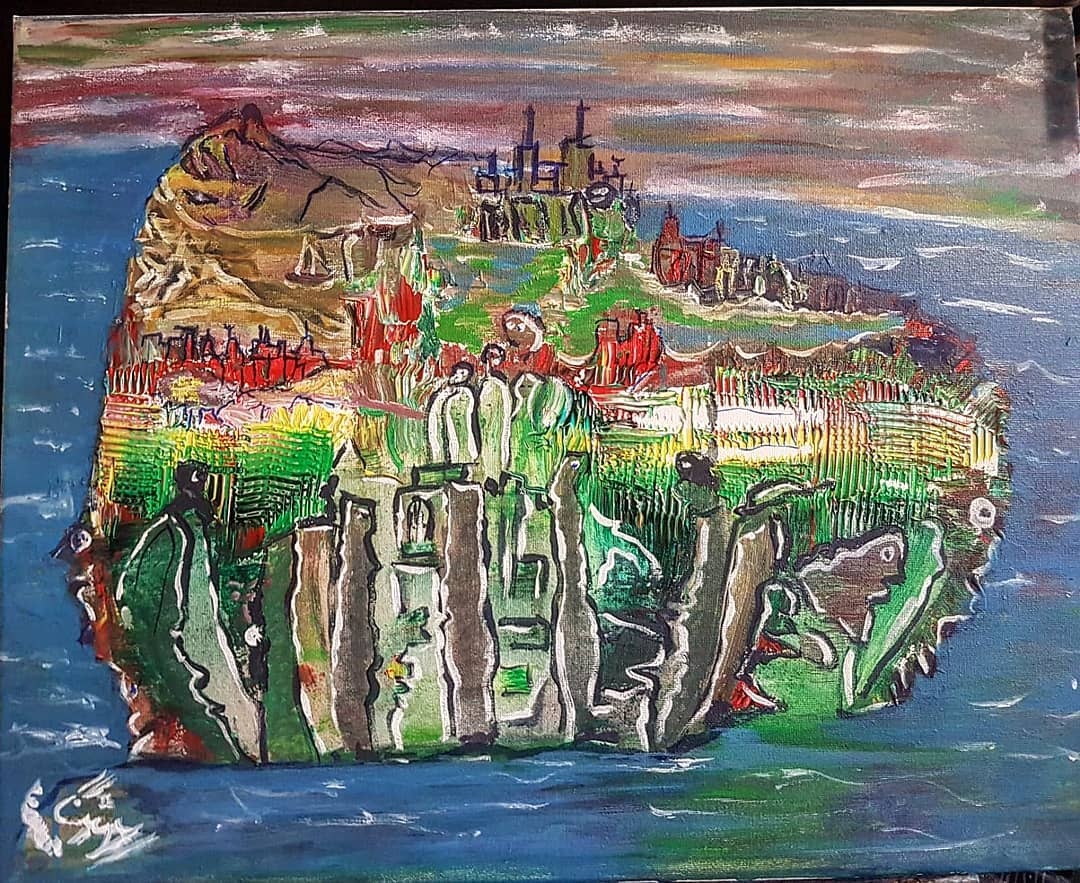
The collection at Jamal Abstracts features original paintings that demonstrate the qualities this guide describes: compositional integrity, confident material handling, distinctive artistic voice, and genuine emotional resonance. Each work represents authentic creative exploration rather than commercial calculation.
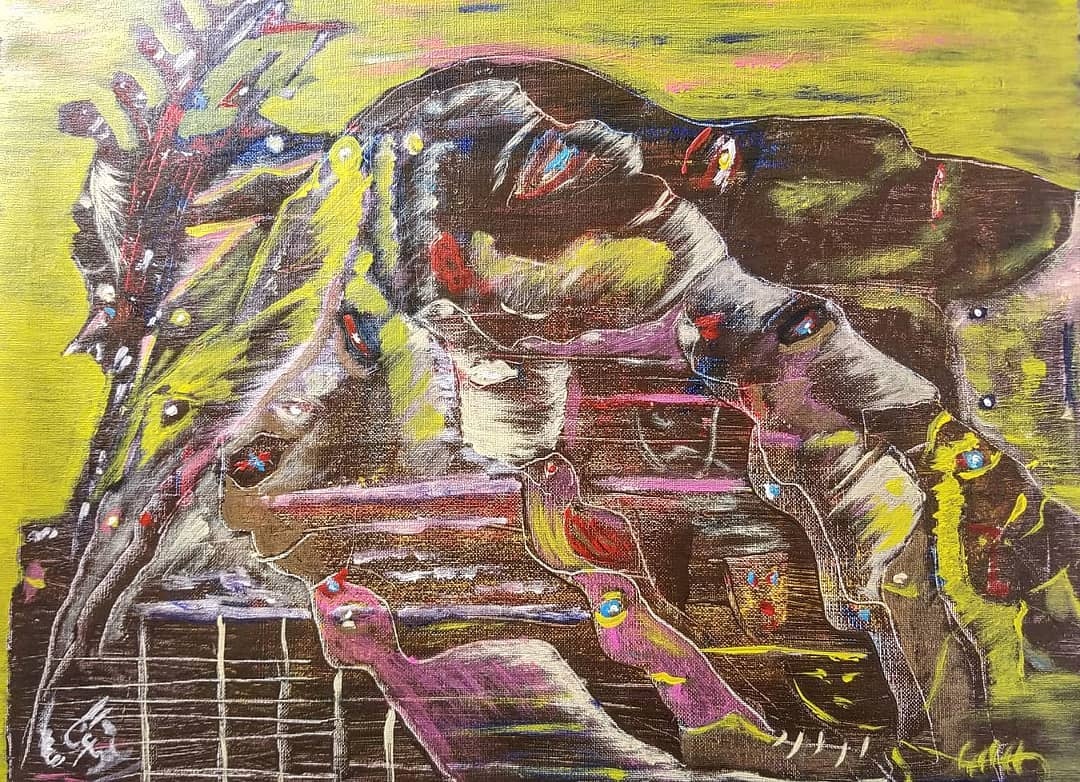
Whether you are acquiring your first abstract painting or adding to an established collection, exploring the Jamal Abstracts gallery provides opportunities to discover works that resonate with your aesthetic vision. Begin building a collection that reflects your unique relationship with abstract visual expression.
Frequently Asked Questions
How do I start collecting abstract art?
Start by developing your eye through museum visits, gallery exploration, and art fair attendance. Learn about abstract art history to understand quality markers. Begin purchasing works that genuinely move you within your budget, trusting emotional response while building knowledge.
How do I know if abstract art is good?
Quality abstract art demonstrates compositional integrity, skilled material handling, originality, and emotional resonance. These qualities become recognizable through exposure and study. Works that sustain interest over repeated viewings typically demonstrate genuine quality.
Is abstract art a good investment?
Quality abstract art by significant artists can appreciate substantially, but art markets involve risks including illiquidity, high transaction costs, and value fluctuations. Collectors who prioritize quality and genuine appreciation typically achieve better outcomes than pure speculators.
How much should I spend on abstract art?
Spend amounts you can afford without financial strain, as art markets offer no guaranteed returns. Better to own one quality work than multiple mediocre pieces. Many excellent emerging artists offer works at accessible price points that may appreciate as their careers develop.
Where is the best place to buy abstract art?
Different sources suit different needs. Galleries offer curated selections and ongoing relationships. Auctions provide access to secondary market works. Direct artist purchases may offer better prices. Online platforms enable convenient browsing. Diversifying sources provides comprehensive market access.